





Imperial College London is a science, engineering, medicine, and business university based in South Kensington, London, currently ranked #2 globally in the QS World University Rankings 2027. ICL consists of around 21,065 students, of whom approx. 1,720 are international students.
Indian students at Imperial cluster in MS programmes in the UK such as MSc Computing, MSc Finance and MSc Business Analytics, along with the one-year full-time MBA and MBBS. Postgraduate taught programmes run one September intake, with staged application rounds from October to June that close early for popular masters.
- QS World Ranking 2027: #2 globally
- Acceptance Rate: 30.12% overall PG, 20.17% for Indian PG applicants
- Intakes: September (main) for taught master's; MBA starts in August
- PG Tuition 2026-27: £34,500 (INR 44.82 Lakhs) to £78,000 (INR 1.01 Crore) for overseas students
- International students: 12,720 out of 21,065 total
- Average PG starting salary: GBP 55,000 (INR 71.9 lakh), Business School reported median
Note: Exchange rate used: 1 GBP = INR 130.74 as of August 2026.
Also Check: MS Universities in the UK
Table of Contents
- Popular Courses and Imperial Fees 2027
- Imperial College London Admission 2027
- Imperial College London Admission Requirements for Indian Applicants 2027
- Imperial College London Acceptance Rate 2027
- Imperial Fees and Cost of Living for Indian Students 2027
- Imperial College London Campus, Facilities and Student Life
- Imperial College London Scholarships 2027
- Imperial College London Rankings 2027
- Imperial College London Placements and Career Outcomes 2027
- FAQs
Popular Courses and Imperial Fees 2027
Imperial fees are set per programme and revised annually. Business School masters and MBA sit at the top of the range, engineering and computing masters in the middle, and standard science masters at the entry end. All figures below are overseas fees for the 2026-27 academic year, in GBP and INR.
Top Postgraduate Courses at Imperial for Indian Students
Most taught master's at Imperial run for 12 months full-time, with a single September start.
- The MBA is 12 months full-time starting in August.
- Fees are total programme fees for overseas students.
| Program | Total Fee (GBP) | Total Fee (INR lakh) |
Entry Requirement (recommended) |
|---|---|---|---|
| MSc Computing | GBP 47,500 | 62.1 lakh | Bachelor’s in Computing with 65% or CGPA 6.5/10 |
| MBA (Full-Time) | GBP 78,000 | 1.01 crore | Bachelor’s with 60% or CGPA 6.0/10 plus GMAT 600 and 3 years work experience |
| MSc Finance | GBP 51,000 | 66.7 lakh | Bachelor’s with 70% or CGPA 7.0/10 in a quantitative subject |
| MSc Finance and Accounting | GBP 51,000 | 66.7 lakh | Bachelor’s with 70% or CGPA 7.0/10 |
| MSc Computing (Management and Finance) | GBP 47,500 | 62.1 lakh | Bachelor’s in Computing or a related field with 65% or CGPA 6.5/10 |
Top Undergraduate Courses at Imperial for Indian Students
Undergraduate programmes are 3 to 4 years and require JEE Advanced or Class 12 marks in the 90 to 95% band for CBSE and ISC boards.
| Program | Annual Fee (GBP) | Annual Fee (INR lakh) | Entry Requirement (recommended) |
|---|---|---|---|
| BEng Computing | GBP 45,500 | 59.11 lakh | Class 12 with 90% and Maths 95% (CBSE/ISC) |
| MEng Electrical and Electronic Engineering | GBP 45,500 | 59.11 lakh | Class 12 with 90% and Maths and Physics 90% (CBSE/ISC) |
| BSc Biological Sciences | GBP 45,900 | 59.11 lakh | Class 12 with 90% (CBSE/ISC) |
| MBBS/BSc Medicine | GBP 58,600 | 76.6 lakh | Class 12 with 90% including Biology and Chemistry plus BMAT/UCAT |
| BSc Physics | GBP 45,500 | 59.11 lakh | Class 12 with 90% and Maths 95% (CBSE/ISC) |
Read More:
Imperial College London Admission 2027
Imperial admission for Indian students runs a single September intake for taught master's and undergraduate courses. Applications are managed centrally on the Imperial applicant portal, with the Business School and each academic department reviewing on its own rounds.
| Intake | Level | Deadline |
|---|---|---|
| Autumn 2027 (Primary intake) |
UG main courses | 13 January 2027 |
| Autumn 2027 (Primary intake) |
UG Medicine (A100 MBBS) | 15 October 2026 |
| Autumn 2027 (Primary intake) |
PG Business School MSc Round 1 (2027 entry) | Late Sept 2026 (est.) |
| Autumn 2027 (Primary intake) |
MBA Round 1 (2027 entry) | Late Sept 2026 (est.) |
Read More: Imperial College London Admissions Guide for Indian Students
Imperial College London Admission Requirements for Indian Applicants 2027
Indian students applying to Imperial should target the higher end of grade bands, since most taught masters are oversubscribed.
- Academic (PG): 60 to 70% or CGPA 6.0 to 7.0/10 depending on department (recommended); Business School and Computing target 70%+.
- Academic (UG): Class 12 with 90 to 95% (CBSE/ISC) including subject-specific marks in Maths, Physics, or Chemistry.
- Standardised tests: MBA requires GMAT (recommended 600+) or GRE; MSc Finance recommends GRE or GMAT for non-quantitative bachelor’s holders.
English Language Requirements for Indian Students:
- IELTS Academic: 6.5-7.0
- TOEFL iBT: 92-100
- PTE Academic: 62-69
Also check: UK student visa and IHS guide
Imperial College London Acceptance Rate 2027
Imperial College London’s overall postgraduate acceptance rate stood at 30.12% for the last reported cycle, with the acceptance rate for Indian PG applicants at 20.17%. The undergraduate acceptance rate is 25% overall and drops to 17.57% for international undergraduates. These are Imperial’s official admissions statistics.
| Applicant Pool | Acceptance Rate | Notes |
|---|---|---|
| PG overall | 30.12% | All taught masters |
| PG Indian applicants | 20.17% | Below overall average |
| MSc Computing | 11.48% | Most competitive PG programme |
| UG overall | 25% | All undergraduate |
| UG international | 17.57% | Includes Indian applicants |
The acceptance rate for Indian applicants runs about 10 percentage points below the overall PG rate, reflecting the strength of applicant profiles from the top Indian institutes.
Read More: Imperial College London Acceptance Rate
Imperial Fees and Cost of Living for Indian Students 2027
Total annual cost for an Indian PG student at Imperial ranges from GBP 55,000 to GBP 80,000 (INR 71.9 to 104.6 lakh), covering tuition and 12 months of central London living. Imperial’s official student estimate for living costs in London sits around GBP 1,500 to GBP 1,900 per month for a single postgraduate.
| Category | Monthly (GBP) | Monthly (INR) |
|---|---|---|
| Accommodation | GBP 950 (estimated) | INR 1,24,203 |
| Food and groceries | GBP 250 (estimated) | INR 32,685 |
| Transportation (TfL travelcard, zones 1-2) | GBP 180 (estimated) | INR 23,533 |
| Books and supplies | GBP 60 (estimated) | INR 7,844 |
| Personal and utilities | GBP 250 (estimated) | INR 32,685 |
| Total monthly | GBP 1,690 | INR 2,20,950 |
| Total annual | GBP 20,280 | 26.5 lakh |
Read More: Cost of Living in London for Indian Students
Imperial College London Campus, Facilities and Student Life
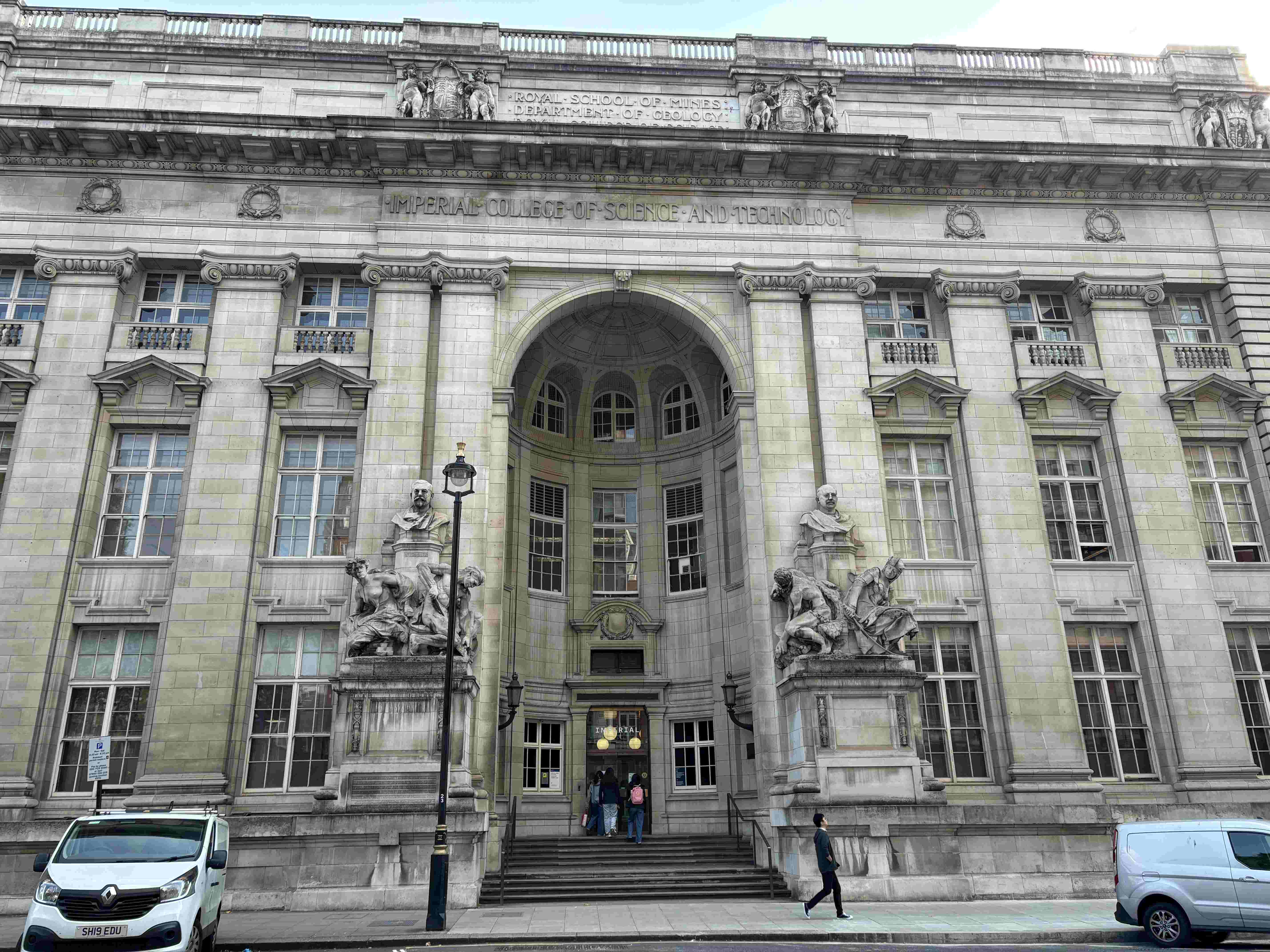
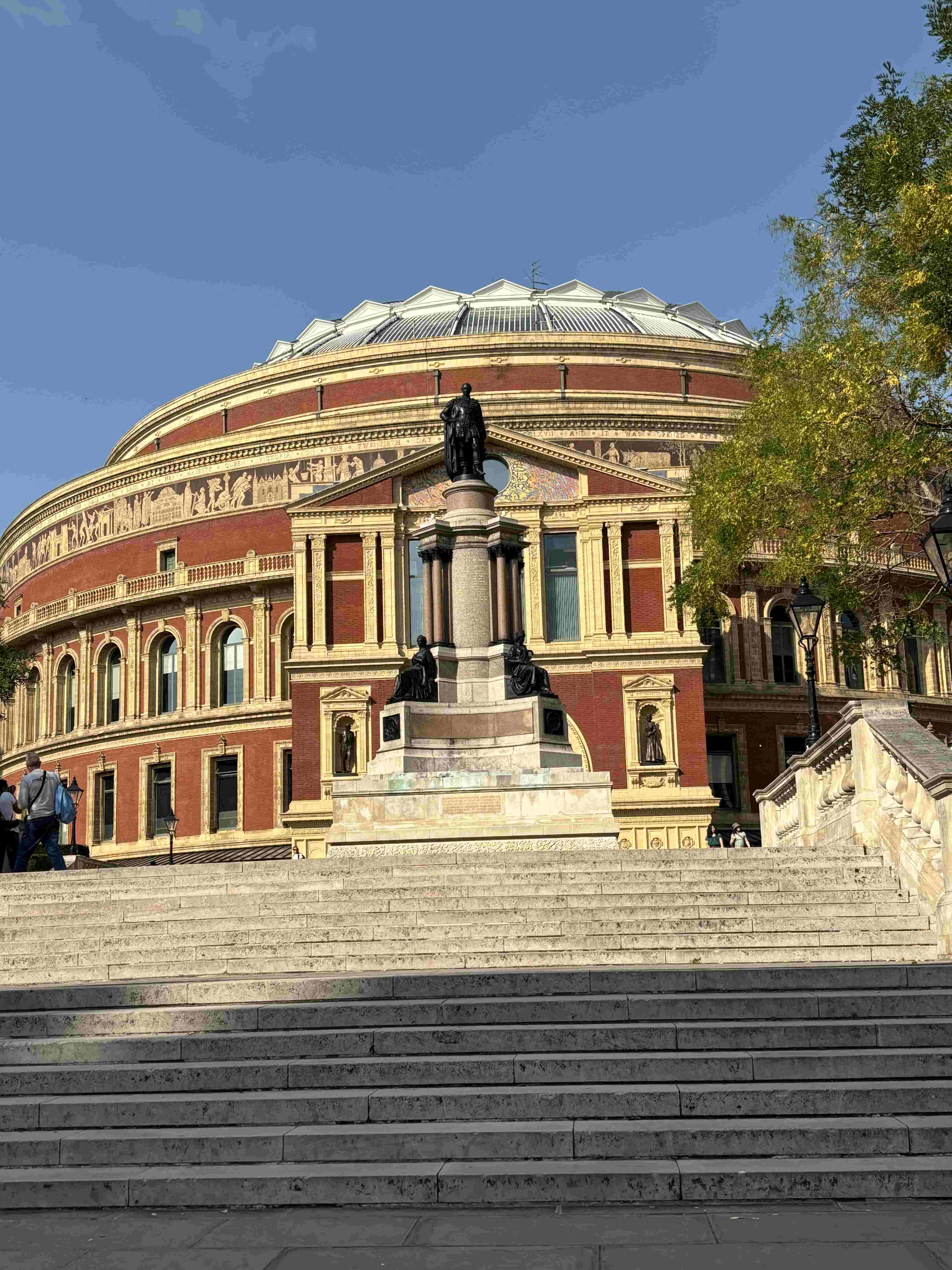
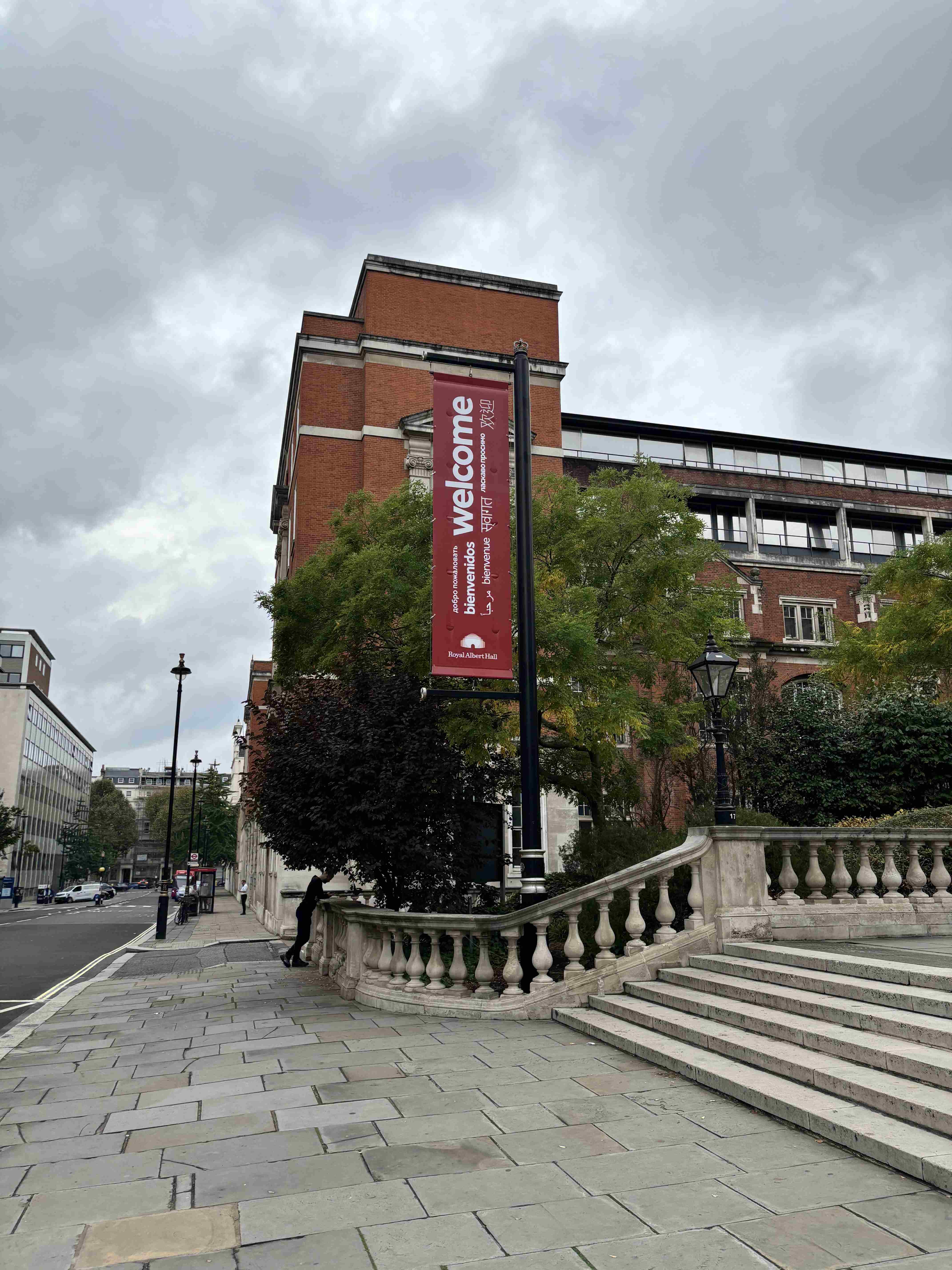
Imperial’s primary campus is in South Kensington, central London, next to the Natural History Museum, the V&A and the Royal Albert Hall. Additional sites sit at White City, Silwood Park, Hammersmith and Charing Cross.
- Location and transport: South Kensington Tube station is a 2-minute walk on the District, Circle and Piccadilly lines; central to King’s Cross in 20 minutes.
- Housing: Imperial guarantees on-campus accommodation to all first-year undergraduates; PG students use Imperial’s private housing partners at GBP 250 to GBP 400 per week in shared flats.
- Notable facility: The Central Library holds 3,000 study spaces, the Blyth Music Centre and the Imperial White City Incubator for student startups.
- Indian community: Imperial’s Indian Society (ICIS) hosts Diwali, Holi and Republic Day events; roughly 1,100 Indian students are enrolled across all levels.
What Indian students say: South Kensington rents are the highest at any UK university, so most Indian PG students shift to shared flats in Acton or Southall after first term. The Business School’s networking events matter more than lectures for job outcomes.
Imperial College London Scholarships 2027
Imperial offers a small number of competitive, merit-based scholarships for international students. No scholarship is India-only, but Indian applicants are eligible across all schemes below.
| Scholarship | Award Value (USD) | Award Value (INR) | Eligibility for Indian Students |
|---|---|---|---|
| Imperial Inspires Scholarship (UG) | £15,000 per year | INR 19.52 Lakhs | Indian students paying overseas tuition fees on eligible full-time undergraduate courses |
| Imperial Inspires PGT Scholarship | £15,000 per year | INR 19.52 Lakhs | Indian students paying overseas fees on selected postgraduate taught courses |
| Business School Excellence Award | Up to 50% of tuition fee per year | - | Eligible international students applying to selected Imperial Business School undergraduate programmes |
| Female Future Leader Award | Up to 40% of tuition fee | - | Female students with an outstanding record of leadership or strong leadership potential |
| Dean’s Impact Scholarship | Up to 40% of tuition fee | - | Newly enrolled students meeting the scholarship's academic and impact criteria |
Also Check:
Imperial College London Rankings 2027
Imperial holds its highest position in the QS World University Rankings 2027 at #2 globally, its best-ever result. The QS trend from #6 in 2023 to #2 in 2027 reflects rising research and employer scores.
| Ranking Body | Latest Edition | Previous Edition | Two Editions Back |
|---|---|---|---|
| QS World | 2027: #2 | 2026: #2 | 2025: #2 |
| THE World | 2026: #8 | 2025: #9 | 2024: #8 |
| ARWU Shanghai | 2025: #26 | 2024: #25 | 2023: #23 |
| Collegedunia Study Abroad | #7 of 824 | NA | NA |
Read More: Imperial College London Rankings Analysis
Imperial College London Placements and Career Outcomes 2027
Imperial reports strong graduate employment across engineering, computing and business, driven by London’s finance and tech recruiter base.
- Business School employment rate: 92% of MBA and MSc graduates in a role within 3 months of graduation (Imperial Business School Employment Report)
- Median MBA salary: GBP 88,000 (INR 115.0 lakh) post-MBA
- Median MSc Finance salary: GBP 60,000 (INR 78.4 lakh)
- Top recruiter sectors: investment banking, management consulting, technology and pharma; representative employers include Goldman Sachs, McKinsey, BCG, JP Morgan, Google and AstraZeneca (Business School Employment Report)
- Career support: Imperial Careers Service and Business School Careers team run 1:1 coaching, mock interviews and dedicated Graduate Route work-visa workshops for Indian students
Imperial is the right pick for Indian applicants targeting quantitative masters or an MBA with strong London-finance and tech recruiter pipelines. Total investment of INR 90 lakh to INR 130 lakh maps against a median starting salary of INR 71 to 115 lakh, giving a payback window of 3 to 5 years, and the two-year Graduate Route visa lets Indian graduates work in the UK without sponsorship.
Imperial is not the right fit for humanities, law, or pure social science applicants, where the programme list is thin, and Oxbridge or UCL offer far more depth. Indian applicants prioritising affordability over brand should compare against ETH Zurich or the University of Manchester before committing.
FAQs
Ques. What English-taught masters at Imperial admit non-STEM Indian bachelor’s holders?
Ans. Imperial admits non-STEM Indian bachelor’s holders into MSc Strategic Marketing, MSc International Health Management, MSc Innovation Entrepreneurship and Management and MSc Climate Change Management and Finance. Most other Business School MSc programmes and all Engineering and Computing masters require a quantitative bachelor’s with strong maths content. The Full-Time MBA accepts any bachelor’s discipline but expects 3 years of work experience and a GMAT 600+.
Ques. Can Indian students work part-time while studying at Imperial?
Ans. Yes, Student visa holders at Imperial can work up to 20 hours per week during term and full-time during official vacation periods. Indian students typically take on paid roles in Imperial’s library, Students’ Union bars, or department teaching assistant positions paying GBP 12 to GBP 18 per hour. Business School students often take unpaid internships in London finance firms during Easter break.
Ques. Does Imperial waive GMAT or GRE for Indian applicants with strong academics?
Ans. The Full-Time MBA rarely waives the GMAT and expects a score above 600 with a strong quantitative section. MSc Finance and MSc Business Analytics recommend but do not mandate GRE or GMAT, so Indian applicants with a first-class Engineering or Commerce bachelor’s from an IIT, NIT or top private university are typically exempt in practice. MSc Computing does not require GRE.
Ques. Do Imperial Business School programmes require an interview?
Ans. Yes, MBA and most Business School MSc programmes shortlist applicants for a video interview conducted over Kira Talent or a live Zoom call with an admissions officer. Interviews test motivation, career clarity, and quantitative reasoning. Indian applicants should expect questions on why Imperial over LBS or LSE, along with a specific role and industry target for post-graduation.
Ques. Which Indian banks approve education loans for Imperial College London?
Ans. Imperial sits on the pre-approved list at SBI (Global Ed-Vantage), Bank of Baroda, HDFC Credila, Avanse and Prodigy Finance. SBI approves collateral-backed loans up to INR 1.5 crore at 9.15% for Imperial; HDFC Credila and Avanse offer unsecured loans up to INR 75 lakh for MBA and STEM masters. Prodigy Finance is popular for MBA candidates who do not want an Indian co-signer.
Imperial College London Program Fees & Deadlines
| Program | Important Dates | Fees | Application Fees | Eligibility | Financial Aid |
|---|---|---|---|---|---|
MS Finance 1 year | USD 67,320 /Yr GBP 51,000 /Yr | 125 | Grade: 65%, TOEFL: 5.0, IELTS: 7.0, Duolingo: 125, PTE: 69 | ||
MSc Computing 1 year | USD 60,720 /Yr GBP 46,000 /Yr | 125 | Grade: 65%, TOEFL: 5.0, IELTS: 7.0, Duolingo: 125, PTE: 69 | ||
MBA 1 year | USD 102,960 /Yr GBP 78,000 /Yr | 150 | Grade: 65%, TOEFL: 5.0, IELTS: 7.0, Duolingo: 125, PTE: 69 | ||
| USD 52,668 /Yr GBP 39,900 /Yr | 90 | Grade: 65%, TOEFL: 5.0, IELTS: 7.0, Duolingo: 125, PTE: 69 | |||
| USD 60,720 /Yr GBP 46,000 /Yr | 90 | Grade: 65%, TOEFL: 5.0, IELTS: 7.0, Duolingo: 125, PTE: 69 | |||
MPH 1 year | USD 62,436 /Yr GBP 47,300 /Yr | 90 | Grade: 65%, TOEFL: 5.0, IELTS: 7.0, Duolingo: 125, PTE: 69 | ||
MSc Business Analytics 1 year | USD 62,040 /Yr GBP 47,000 /Yr | 125 | Grade: 65%, TOEFL: 5.0, IELTS: 7.0, Duolingo: 125, PTE: 69 | ||
MSc Strategic Marketing 1 year | USD 60,060 /Yr GBP 45,500 /Yr | 125 | Grade: 65%, TOEFL: 5.0, IELTS: 7.0, Duolingo: 125, PTE: 69 | ||
BS/MBBS 6 years | Application Deadline for September 2027 Intake (15th Oct 2026) | USD 77,352 /Yr GBP 58,600 /Yr | 29 | Grade: 75%, TOEFL: 5.0, IELTS: 7.0, Duolingo: 125, PTE: 69 | |
| USD 60,060 /Yr GBP 45,500 /Yr | 29 | Grade: 75%, TOEFL: 5.0, IELTS: 7.0, Duolingo: 125, PTE: 69 |
Do you think the Dates are wrong ? Report Here
Important Alerts
| Events | Dates |
|---|---|
| Bachelor of Science [BS]/Bachelor of Medicine and Bachelor of Surgery [MBBS] Application Deadline for September 2027 Intake | Closing in 6 days |


Find A Program
Top Recommended Courses
Do you think the fees are wrong ? Report Here
Do you think the fees are wrong ? Report Here
Course Finder - Search from 50K+ courses
Popular Streams:
Imperial College London comparison
| University Name | Imperial College London | London School of Economics and Political Science | University of Edinburgh | University of Warwick | The University of Manchester | Manchester University | University College Dublin | King's College London | National University of Singapore | Cornell University | Massachusetts Institute of Technology | University of Toronto | University College London | University of Oxford | University of Cambridge | University of Southampton | London Business School | Aberystwyth University |
|---|---|---|---|---|---|---|---|---|---|---|---|---|---|---|---|---|---|---|
| Collegedunia Score | 7.6 Out of 10 | 6.5 Out of 10 | 6.9 Out of 10 | 6.1 Out of 10 | 6.5 Out of 10 | - Out of 10 | 5.3 Out of 10 | 6.6 Out of 10 | 8 Out of 10 | 7.9 Out of 10 | 9 Out of 10 | 7.4 Out of 10 | 7.7 Out of 10 | 8.9 Out of 10 | 9 Out of 10 | 6.1 Out of 10 | 4.2 Out of 10 | 4.2 Out of 10 |
| Overall Ranking |
|
|
|
|
|
|
|
|
|
|
|
|
|
|
|
|
|
|
| Subject Strength |
|
|
|
|
| - |
|
|
|
|
|
|
|
|
|
| - |
|
| Programs |
|
|
|
|
|
|
|
|
|
|
|
|
|
|
|
|
|
|
| Acceptance Rate | 15.0 % | 9.0 % | 11.0 % | 14.0 % | 51.0 % | 66.0 % | 42.0 % | 13.0 % | 10.0 % | 8.0 % | 4.5 % | 43.0 % | 25.0 % | 0.0 % | 21.0 % | 77.0 % | 25.0 % | 94.0 % |
| Cost to Study |
|
|
|
|
|
|
|
|
|
|
|
|
|
|
|
|
|
|
| Placement | Ranked 6th in the world in the QS World University Rankings® 2023, Imperial College London is a one-of-a-kind institution in the UK, focusing solely on science, engineering, medicine and business. Base Salaries By Degree:
| Graduate Employability Ranking 2020: 45; Top paying degrees with annual salary are MBA: 159,000 USD, Executive MBA: 151,000 USD, PhD: 144,000 USD, LLM: 120,000 USD | The University of Edinburgh is one of the top public universities in Edinburgh, United Kingdom. It is ranked #15 in QS World University Rankings 2023.Graduate Employability Ranking #49;Top recruiters: Tesco Bank, Royal Bank of Scotland, Avaloq Evolution AG, Scottish Government; Average Salaries by the degree:
| Gradaute Employability rankings: #77. QS World University ranking: #54 Best Global University in United Kingdom: #21 Warwick University & Business School Graduates & Alumni Salaries - By Degree:
| The University of Manchester is one of the top public universities in Manchester, United Kingdom. It is ranked #28 in QS World University Rankings 2023.
| The average salary for undergraduates is around $46,704. | The average salary for different programs are as follows: MBA: $88,000 Executive MBA: $82,000 LLM: $70,000 Masters in Finance: $72,000 Master (other): $62,000 | According to QS World University Rankings, the King's College London QS Ranking is 37. King's College ranks among the top 100 universities in the world since 2017 by Times Higher Education Ranking 2023. THE has ranked 35 in the world university ranking and sixth position in the UK for 2023. Base Salaries By Degree:
| Graduate Employability Rankings (QS): #9 | Cornell University is one of the top private universities in Ithaca, United States. It is ranked #20 in QS World University Rankings 2023.
| Average Salaries Of Degree:
| Placement rate was around 85% within 3 months of graduation Top recruiters were McKenzie Investments, KPMG, EY, Deloitte, Pepsico, Scotiank, National Bank Financial and others. University of Toronto Graduates & Alumni Salaries - By Degree:
| Graduate employability rank: #22, | University of Oxford is one of the top public universities in Oxford, United Kingdom. It is ranked #4 in QS World University Rankings 2023.
| University of Cambridge is one of the top public universities in Cambridge, United Kingdom. It is ranked #2 in QS World University Rankings 2023. Average Salaries Of The Degree:
| Graduate employability rankings: #101-110. | Highest paying degrees: Executive Masters (152,000 USD); Executive MBA (148,000 USD); BBA (142,000 USD); MBA (133,000 USD); Masters in Finance (123,000 USD). | |
| - | Read Full Comparison | Read Full Comparison | Read Full Comparison | Read Full Comparison | Read Full Comparison | Read Full Comparison | Read Full Comparison | Read Full Comparison | Read Full Comparison | Read Full Comparison | Read Full Comparison | Read Full Comparison | Read Full Comparison | Read Full Comparison | Read Full Comparison | Read Full Comparison | Read Full Comparison |
Do you think the data is wrong ? Report Here

Overall 2 out of 1504 in Global Ranking

Overall 8 out of 2298 in Global Ranking
Do you think the Rankings are wrong ? Report Here
Imperial College London Reviews
27 Reviews Found
Likes
- The professors and the curriculum
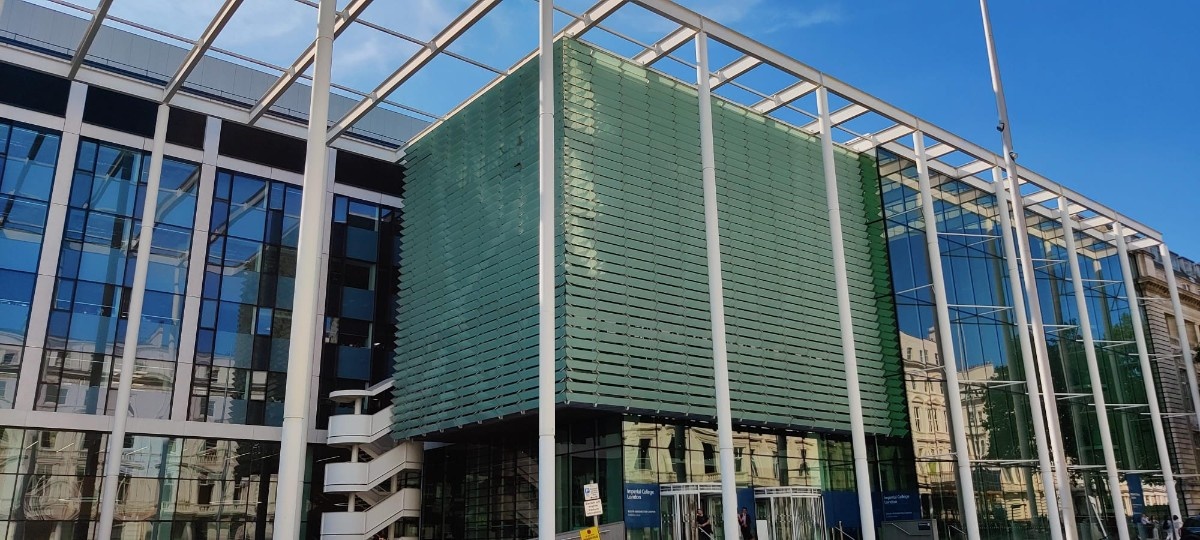
- The infrastructure, the campus is very pretty and modern
- The location in central London
Dislikes
- Some courses reused previous year lecture recordings
- Workload can be and intense and unbalanced
- Master's thesis is very hit or miss depending on your supervisor
Campus Life
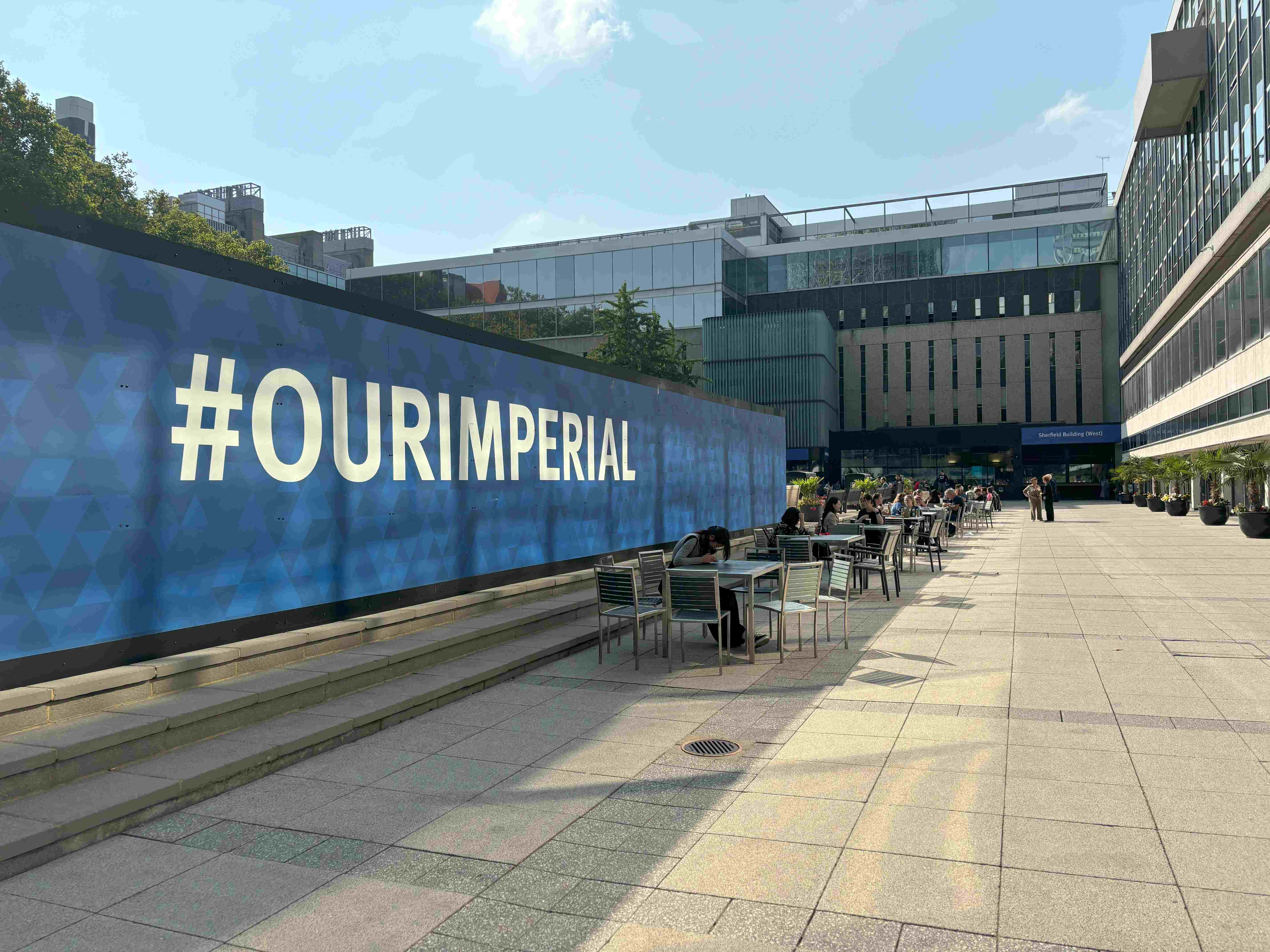
- They have campuses in South Kensington, White City, Silwood Park, and Old Oak Innovation Cluster. They also have tieups with multiple hospitals for their medical students.
- Our campus was the main one (South Kensington) and had all facilities from the Library, Gym, Sports, Food outlets, etc.
- I did not explore club festivals and clubs, so I am not aware of any. Some of my friends had joined the hiking club.
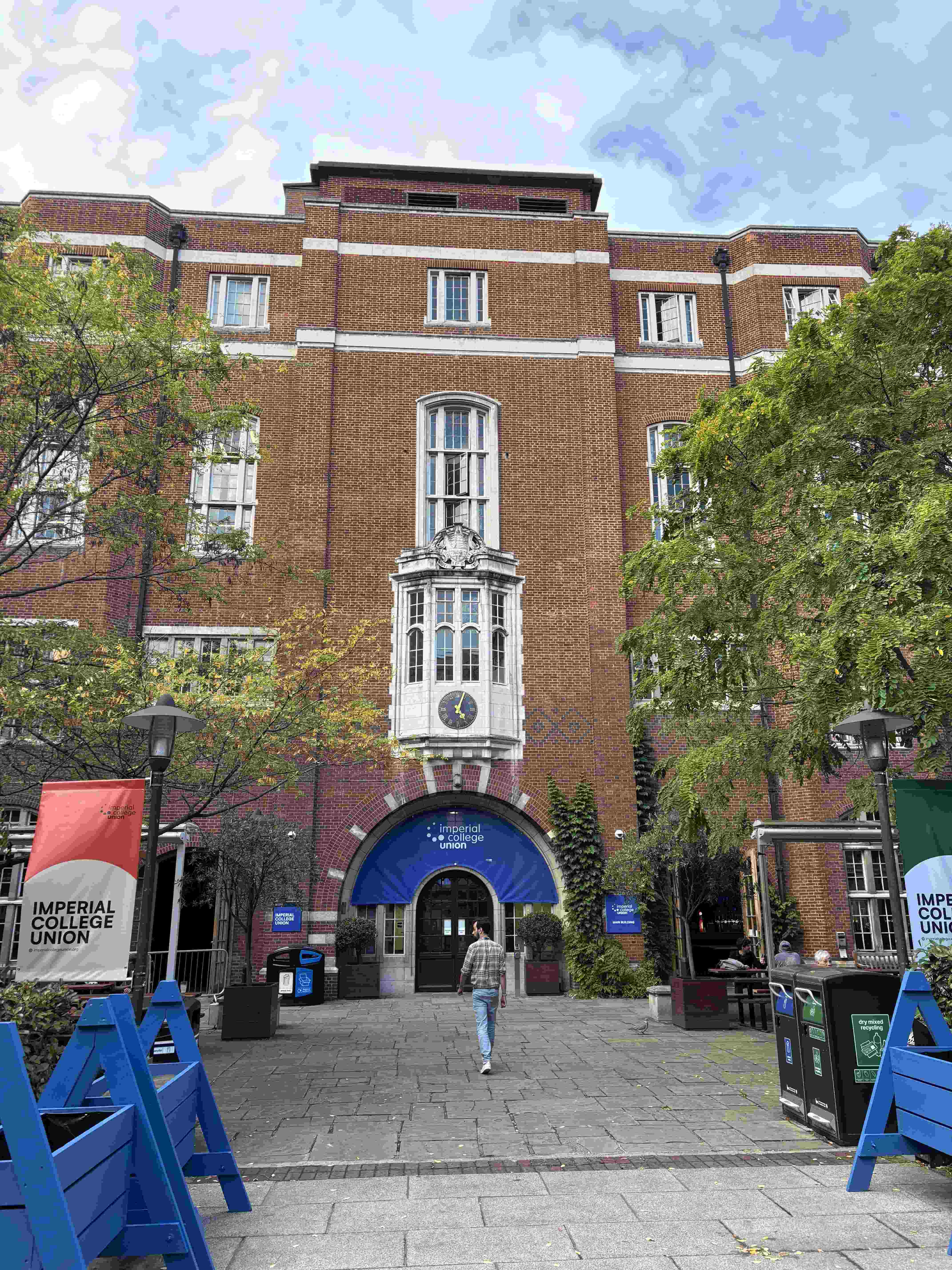
- There is a student union called Imperial College Union.
Fees
- Fees for the entire year are required to be paid in one installment, but you can ask for special permission for two installments. It came out to be £41750 in my year.
- Monthly expenses depend on your lifestyle and rent, it can range from £1000 to £2000 per month. For me, it was £1200, which included £800 rent and bills, and the rest was all food and travel costs.
Likes
- Incredible guest faculty from institutions beyong Imperial, and a wide range of mentors and systematic tutor-system with an assigned mentor and peer support groups in class. I was Class Representative, and truly enjoyed having the opportunity to interact beyond my cohort and also deeply with them.
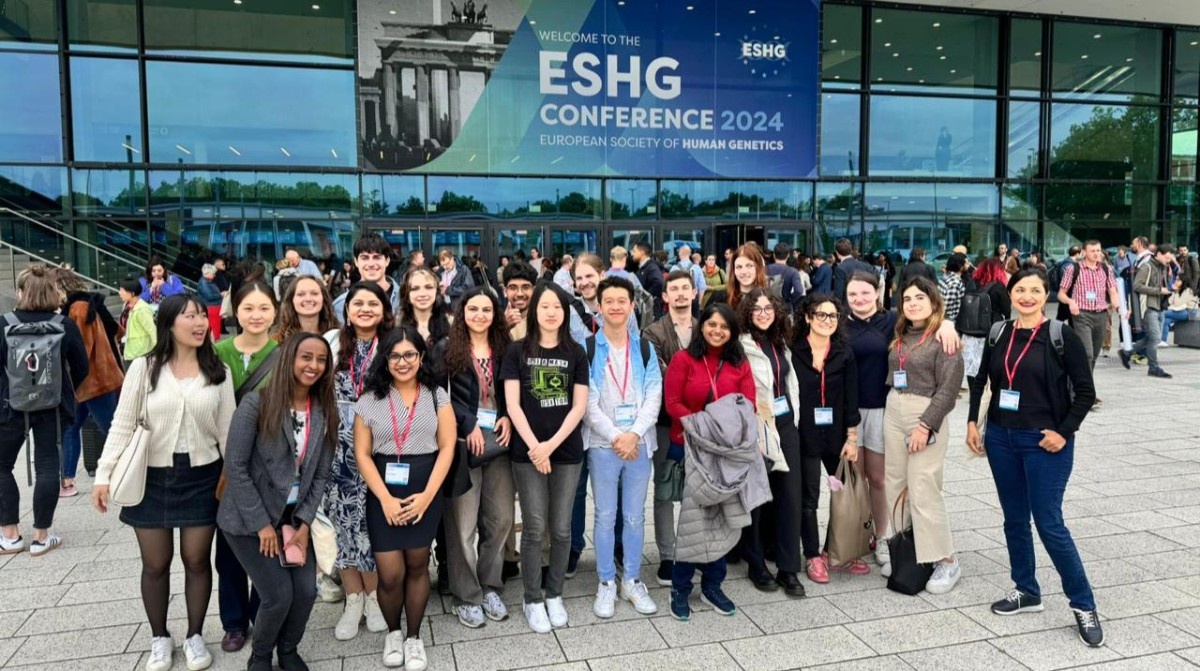
- Course specific, but the networking opportunity- I attended an international conference in Berlin, all organized by the course coordinators and also defended my thesis in front of externals from the University of Oxford. We also had a careers fair where we met with Imperial alumni. Meeting a diverse group of people from different cultures and ages, but with similar interests helps expand your mind beyond what is possible in your own country.
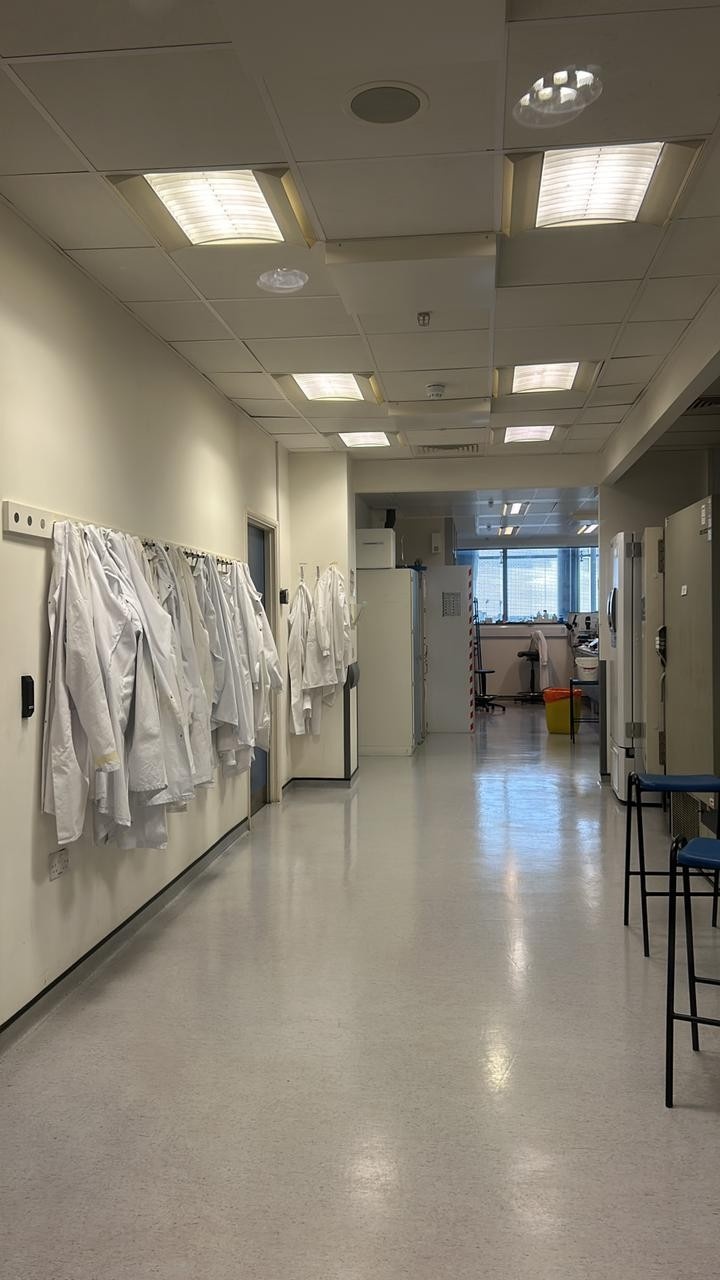
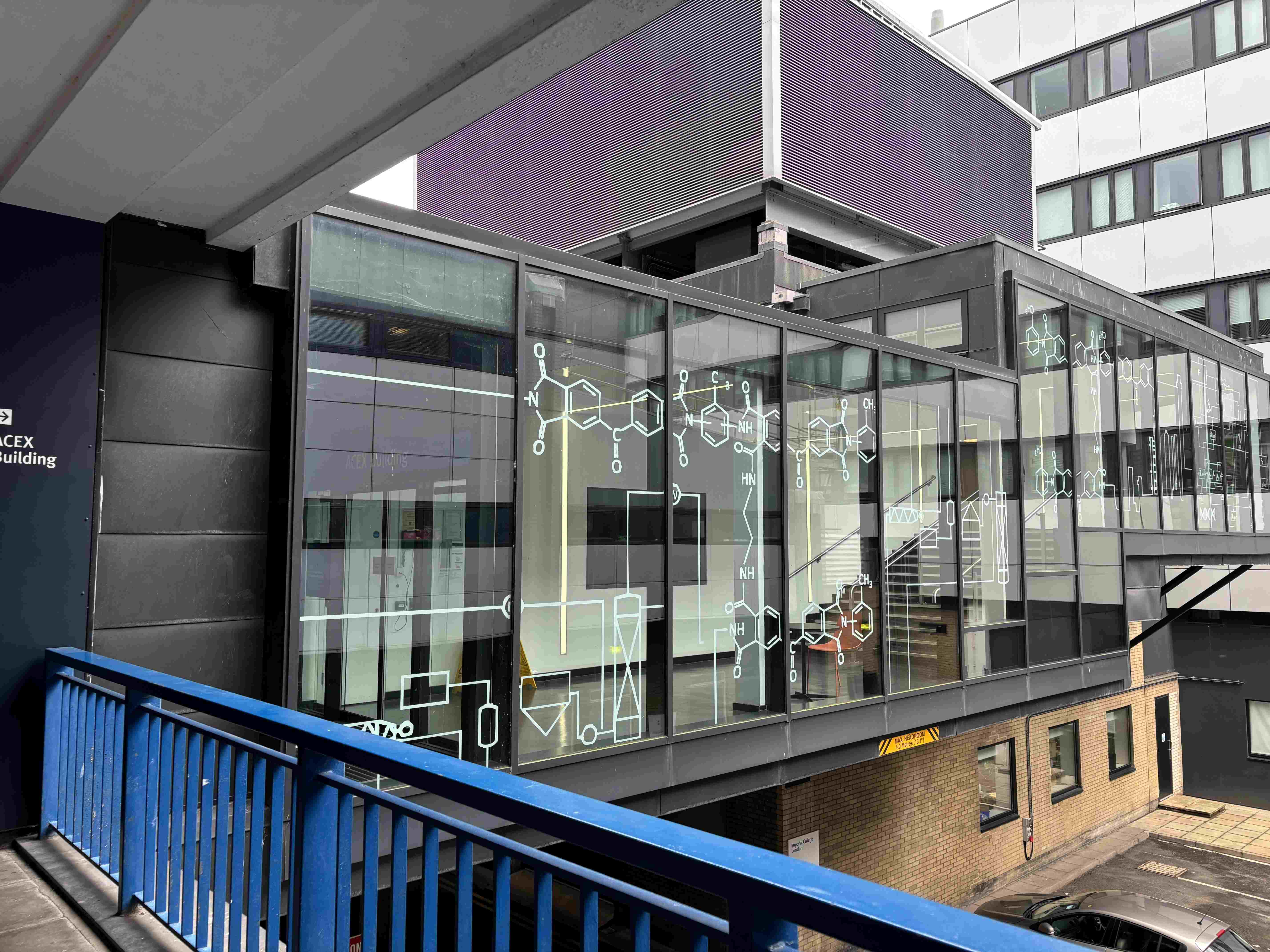
- World-class labs, never having to worry about supplies as systems are very organized. Even if there are any issues, it is easy to manage with the support of neighbouring equally established labs. Good research infrastructure, safe, easy to access any online resources needed with help of admin/IT team and great well-resourced libraries across all campuses.
Dislikes
- Lack of university accommodation for postgraduate students (we had to seek private housing/find places on our own). The college has a hall for undergraduates; this is very challenging to navigate as an international student, as we do not view the properties ourselves in person before committing.
- Career support for international students/visa seekers, especially for life sciences, is not very proactive; one has to rely on a lot of networking and cold e-mailing and visa issues need a lot more support.
- Healthcare/GP registration support needs to be sought out but should be taken care of automatically for internationals new to the system. Residential mentors should be given to new senior students too, like Big Sibs at some US colleges.
Campus Life
- Many: https://www.imperial.ac.uk/visit/campuses/
- All of the above are available; I'm not sure about medical facilities, as I never availed them but there should be
- All festivals are celebrated grandly as there are multiple societies
- Was not into co-curriculars as a research postgrad but I was a part of things like Garba Nights, Cricket match screenings and Bollywood Treasure Hunt and Ganesh Chathurthi with the Indian Society.
Fees
- 40,800 pounds + 1k/month rent in private accommodation with a gym free with it, no university accommodation for postgrads. College also has a free gym on the campuses.
- I paid it in one go, yearly, but instalments are available
- Since I cooked and shared a flat with 8 other people, I saved a lot on food. Healthcare is a long process but free. It is possible to manage on 300-400 pounds per month on these things, as my building took care of bills and maintenance with rent. Out of this, around 100-120 pounds was solely on travel (tube/bus expense)

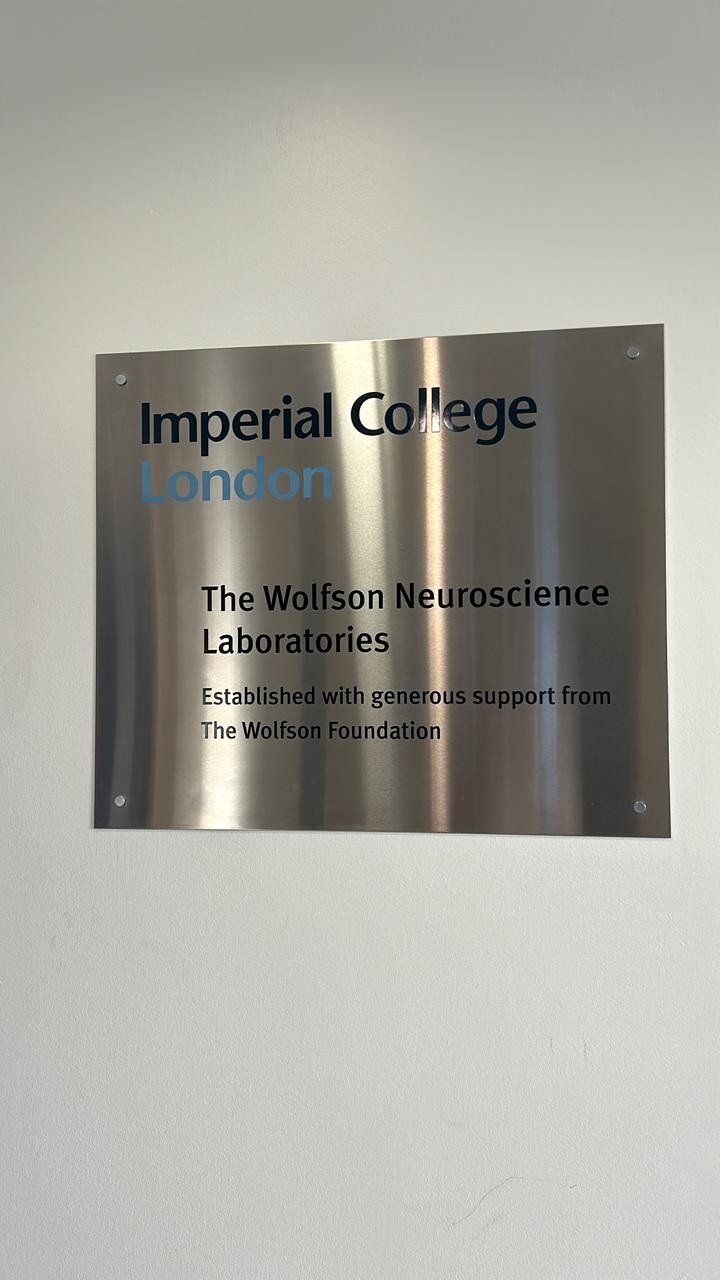
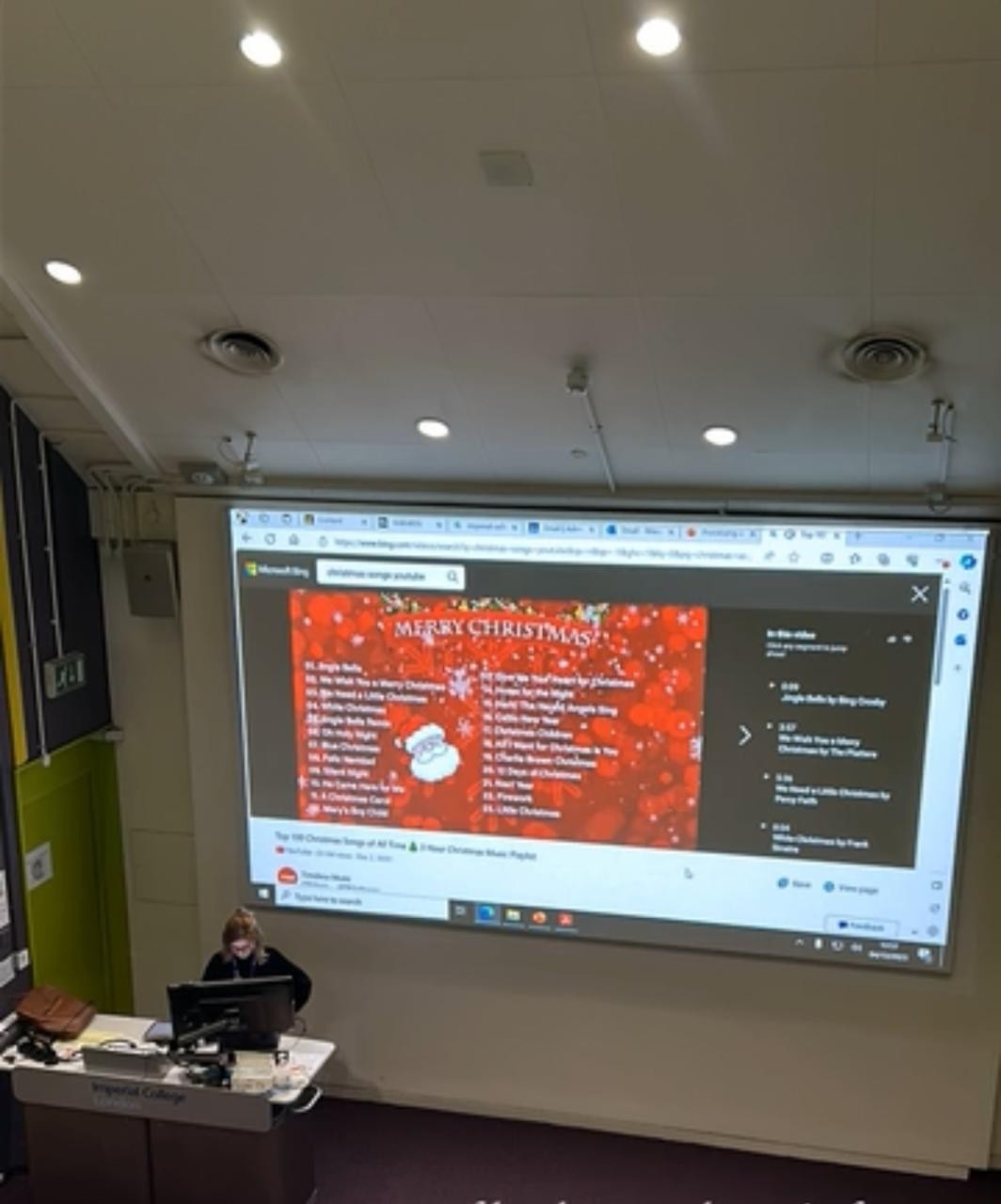
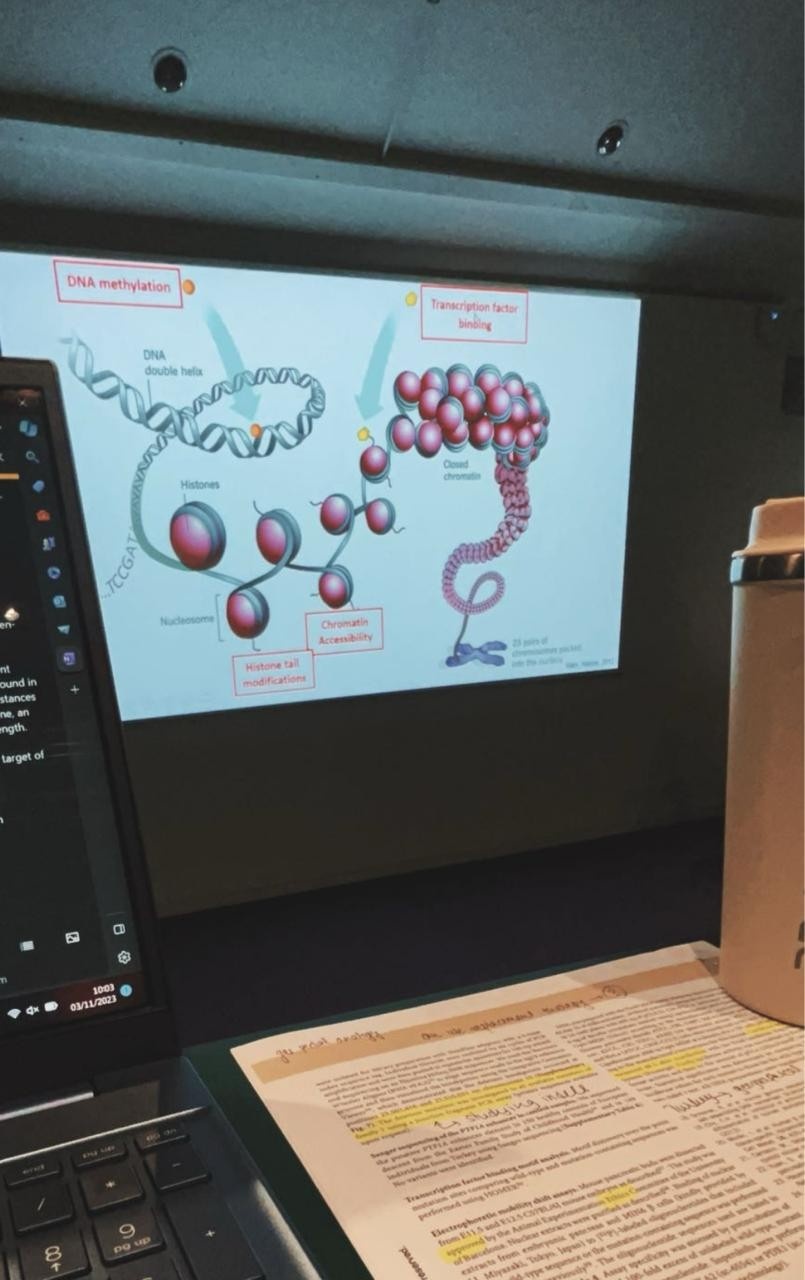
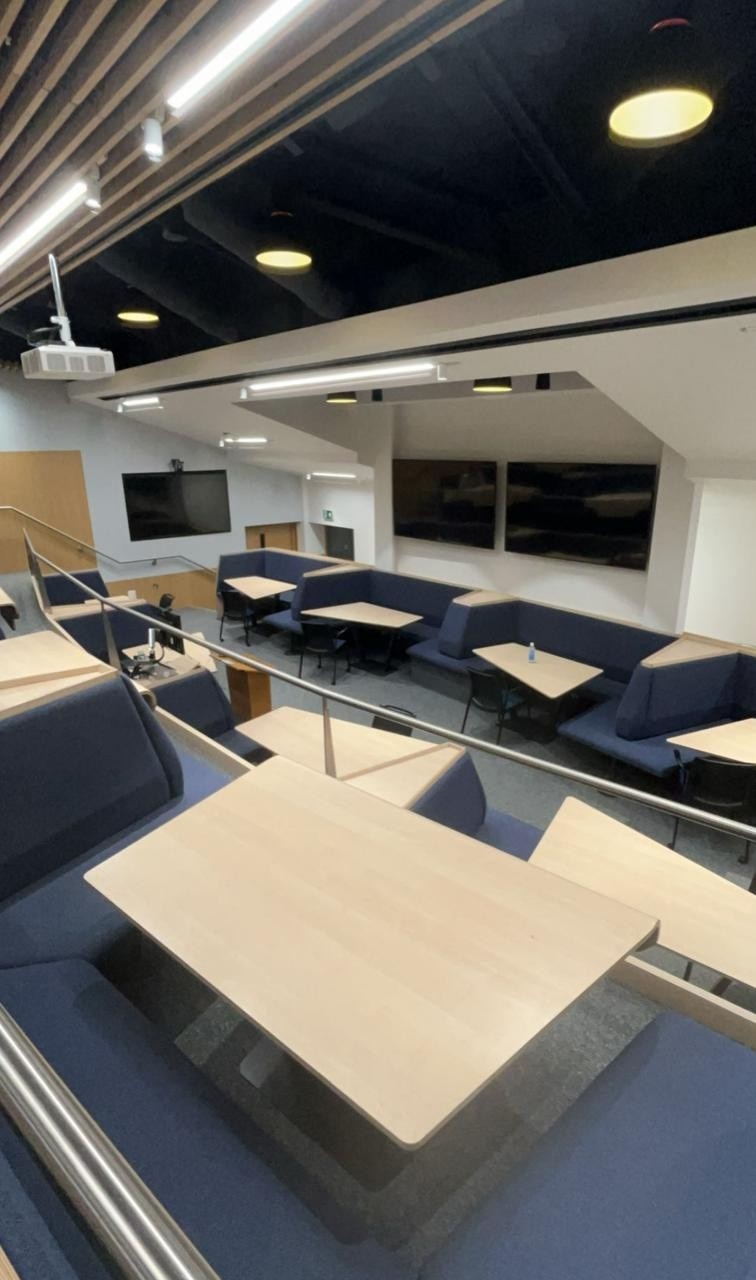
Likes
- Location in the heart of central London, close to Hyde Park, good proximity to metro station, shops and restaurants, very posh and safe area
- Research focussed course with lots of reserach opportunity available for students
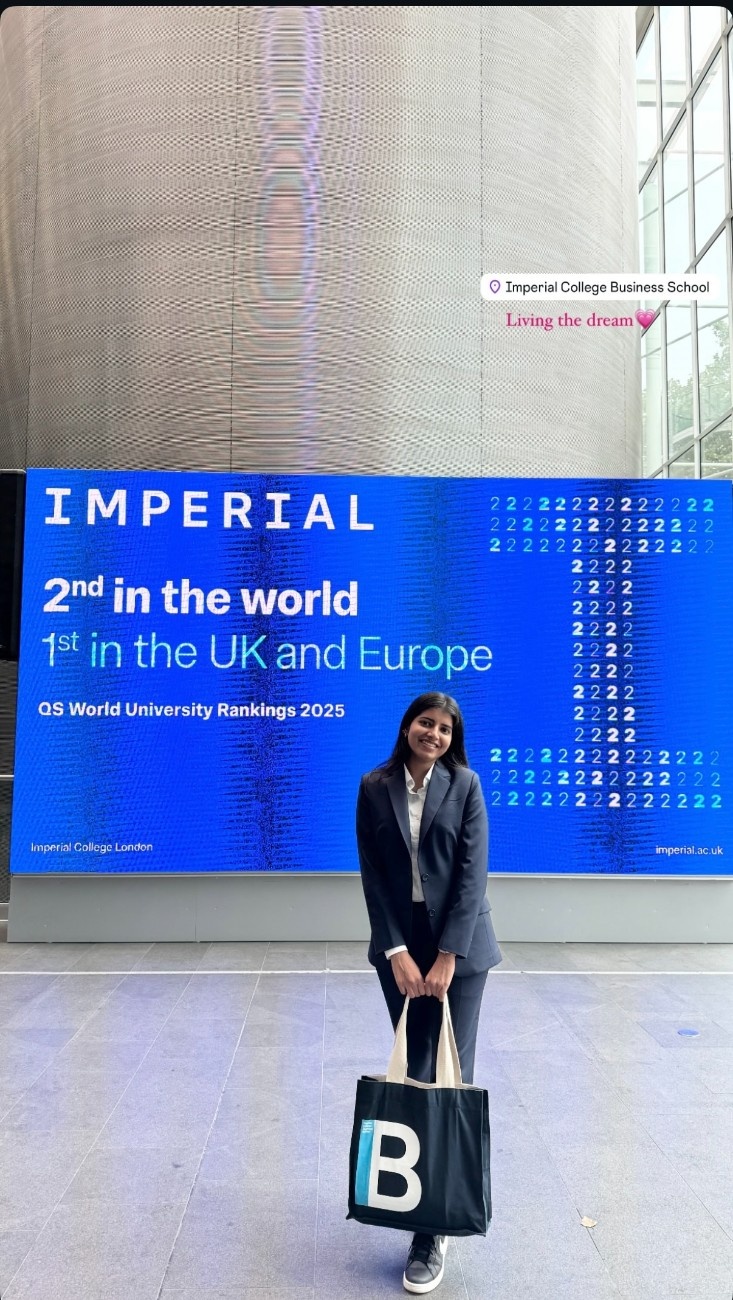
- Highly ranked (#2 in the world)
Dislikes
- STEM-only university so didn't get to interact with non-stem students
- My course was relatively new so could have some improvements
- My course only utilised one teaching room which became quite mundane after some time
Campus Life
- One main campus. Medical students have different campuses in later years. Main campus is in South Kensington. Biomedical students have labs at the Hammersmith campus in White City. There is a library at each campus, a sports centre called Ethos in south kensington, and generally there are first aiders and nurses everywhere.
- Major indian society festival is East Meets West, which is a song/dance/drama show. There are lots of other events held by all societies throughout the year at a smaller scale. Imperial has around 400 societies so there's something for everyone – all kinds of sports and cultural societies – and if what you're interested in doesn't already exist, then you can always start your own society.
Fees
- The tuition was around 33,000 gbp per year. Rent costs around 8000 to 12000 gbp per year, including wifi, heating and water bills. Other living expenses were around 400 to 500 pounds per month and this included grocery bills, eating food in restaurants, shopping, etc.
- Travel costs around 150 pounds per month. Fees are payable all together at the start of the year or in two instalments 6 months apart.
Likes
- The lectures were focused on facilitating discussion and debate within the classroom rather than delivering theoretical content
- The courses had plenty of case studies from real world situations that have occurred
- We had a lot of projects which allowed us to think critically and apply ourselves
Dislikes
- The self study material provided was too extensive to cover before lectures
- Sometimes there was a lack of clear guidance on how to approach registering and attending professional events
- For one course we had lectures change in the middle which was less than ideal
Campus Life
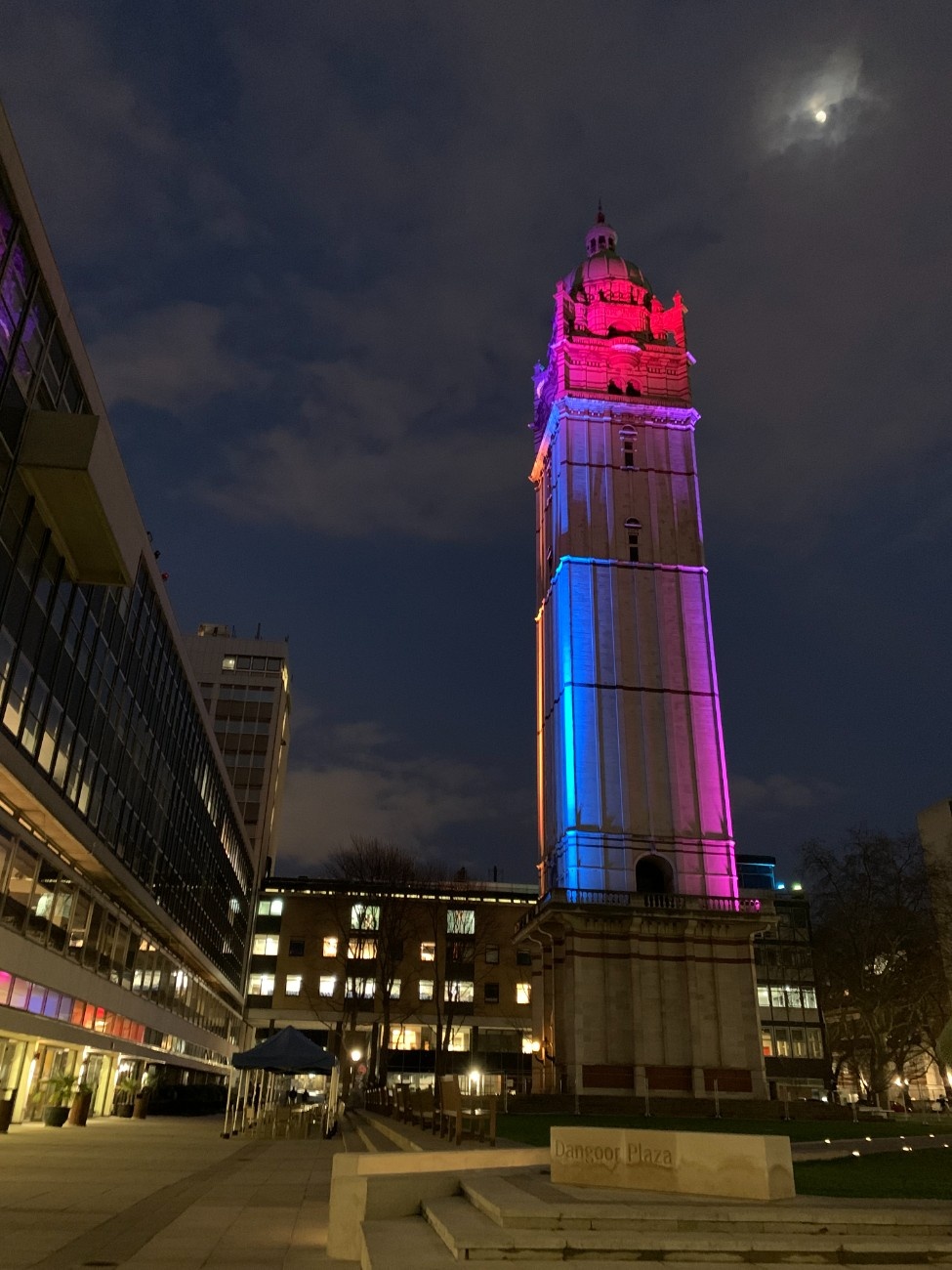
- There are two major ones: South Kensington and White City
- Both campuses have pubs, gyms, library, and cafes
- There is an induction week for new joiners and
- All sports facilities are usually available on campus and there is society for each sport that you can join
- Most events tend to take place at the union bar, which is where everyone meets up after class
Fees
-
My Fee is:
- GBP 30,000 (total fees)
- Upfront or in two split payments throughout the year
- My monthly expenses (approximate):
- Rent (with all bills included): GBP 1000-1200 per month
- Transport: GBP 200-300 per month
- Groceries: GBP 60-100 per month
- Phone: GBP 5 per month
- Other regular expenses that one can expect to pay:
- Internet: GBP 25-45 per month
- Phone: GBP 25-50 per month

Likes
- Professors are helpful and use real examples, not just theory.
- I loved the diversity, met people from everywhere.
- Being in central London itself is a huge plus.
Dislikes
- Workload can get crazy at times with back-to-back deadlines.
- Staying near campus is very expensive.
- Food on campus is overpriced.
Campus Life
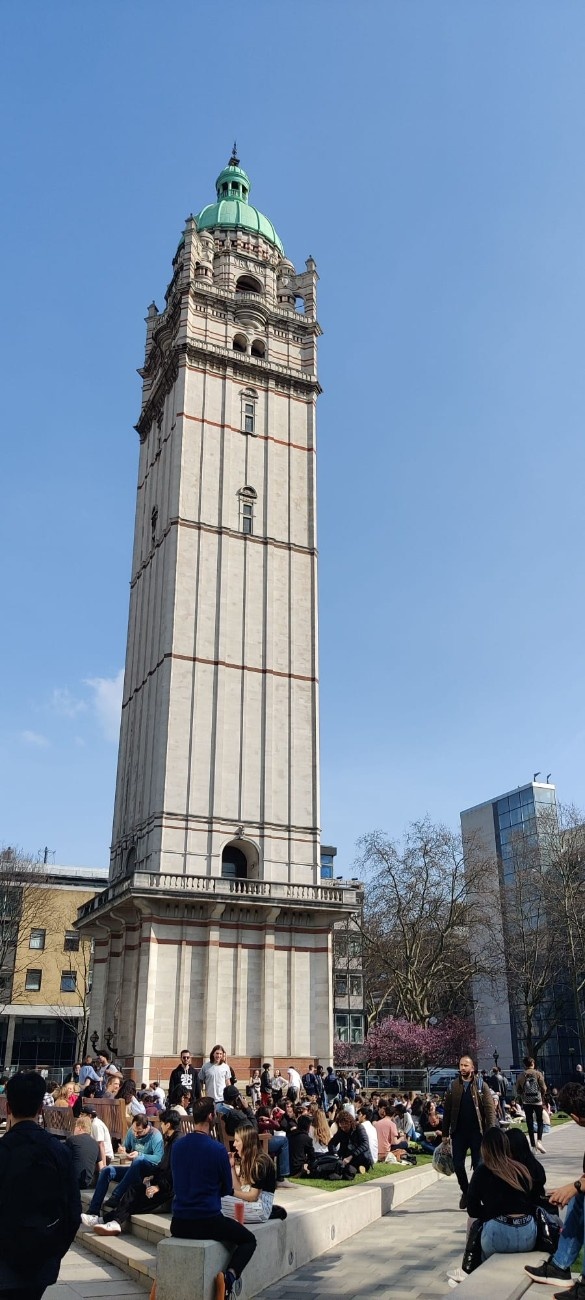
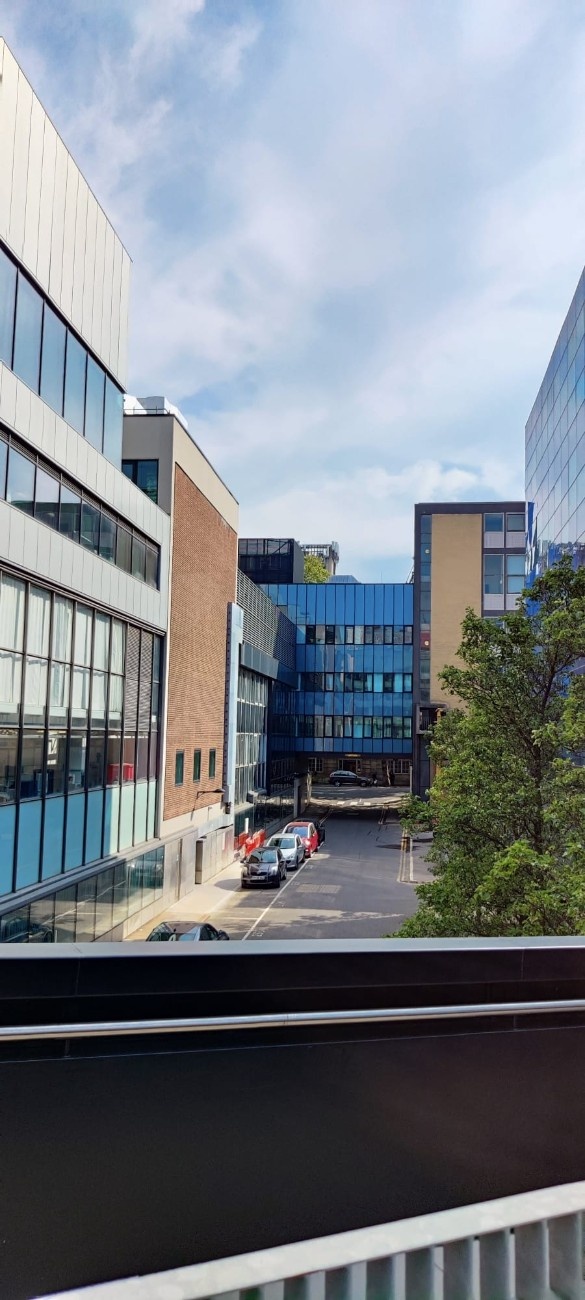
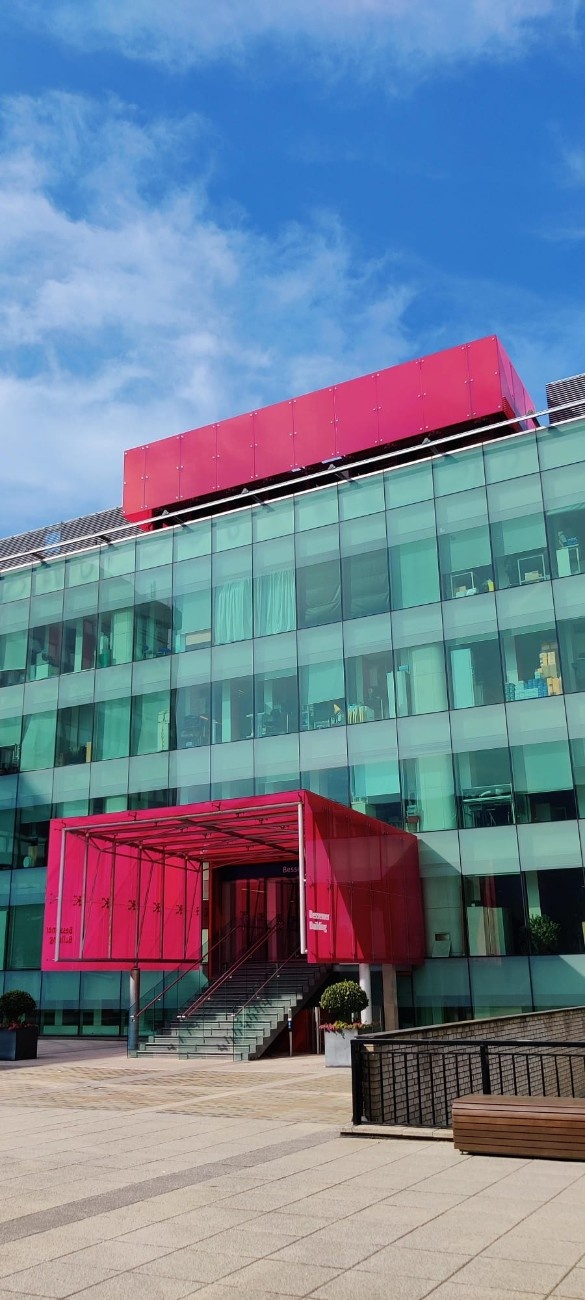
- Campuses: Imperial has multiple campuses – the main one is in South Kensington (where the Business School is located). There are also others like White City and Hammersmith, mostly for research and medical faculties.
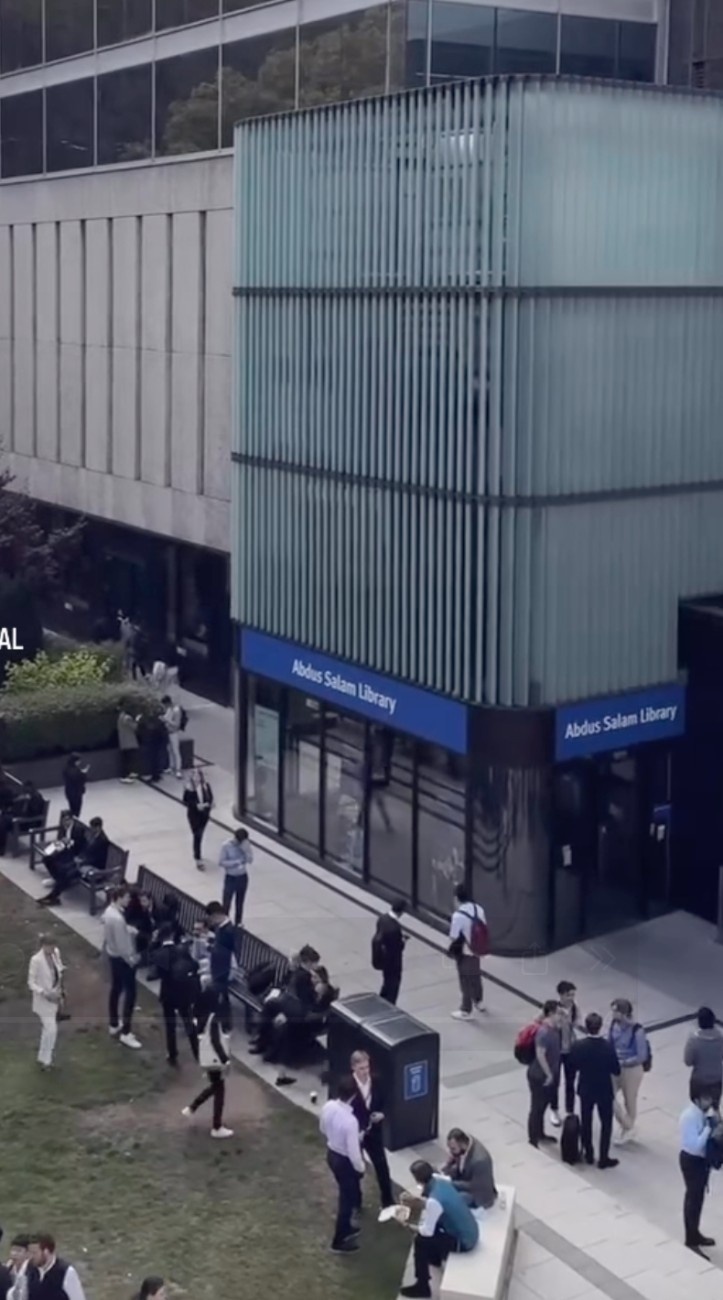
- Facilities: The South Kensington campus has a central library, modern classrooms, sports facilities, cafés, medical services, and lots of study and social spaces.
- Events & clubs: The Imperial College Union runs hundreds of clubs and societies. There are cultural festivals, career fairs, guest lectures, networking events, and mixers happening regularly.
- Festivals & popular activities: Student-run cultural nights, sports tournaments, and entrepreneurship events are quite popular. Indian Society and other cultural clubs are very active.
- Extracurricular activities: Students can join sports teams, music/dance societies, cultural groups, and business/entrepreneurship clubs. These give a nice balance to the heavy academics and help build friendships outside the classroom.
Fees
-
My course fee was £39,000 for the year. Paid 10% upfront and the rest later, though installments are possible. Rent was about £2,000 a month when I stayed very close to campus. Groceries and other expenses depend; I’ve seen friends manage on £200, and others spend £500+.
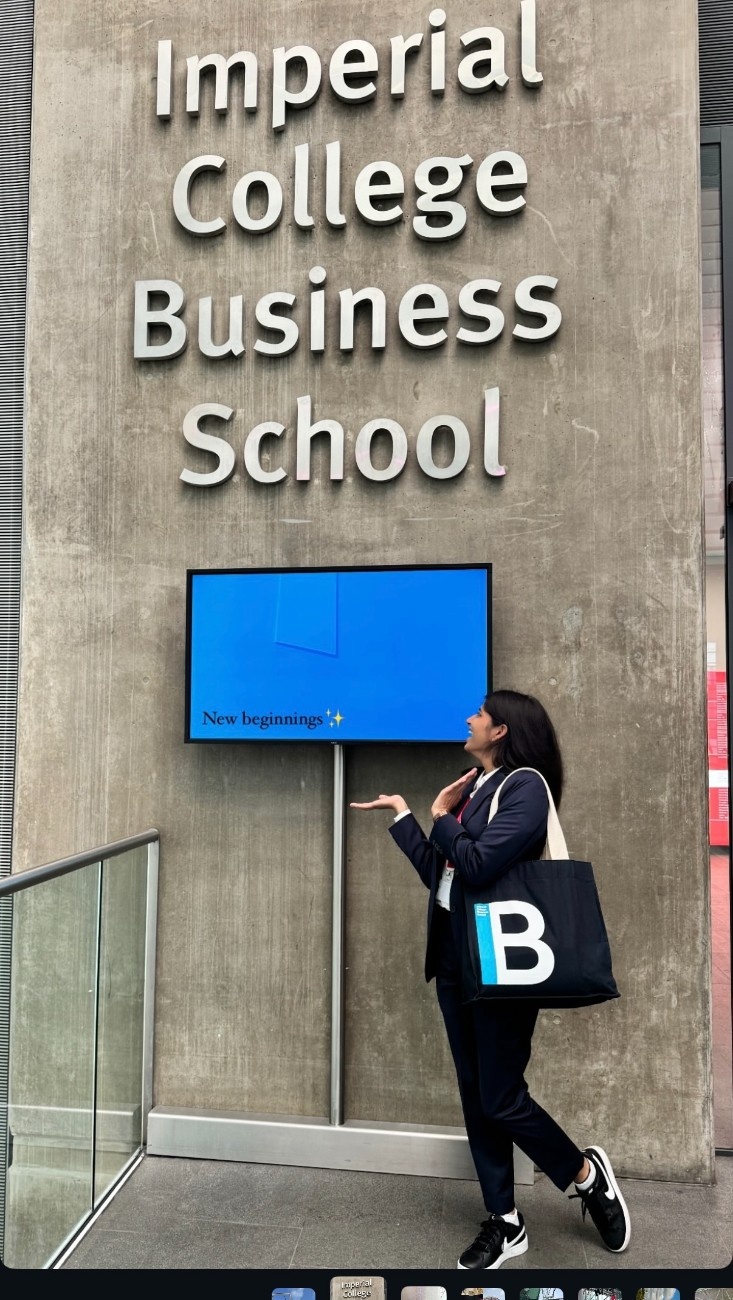
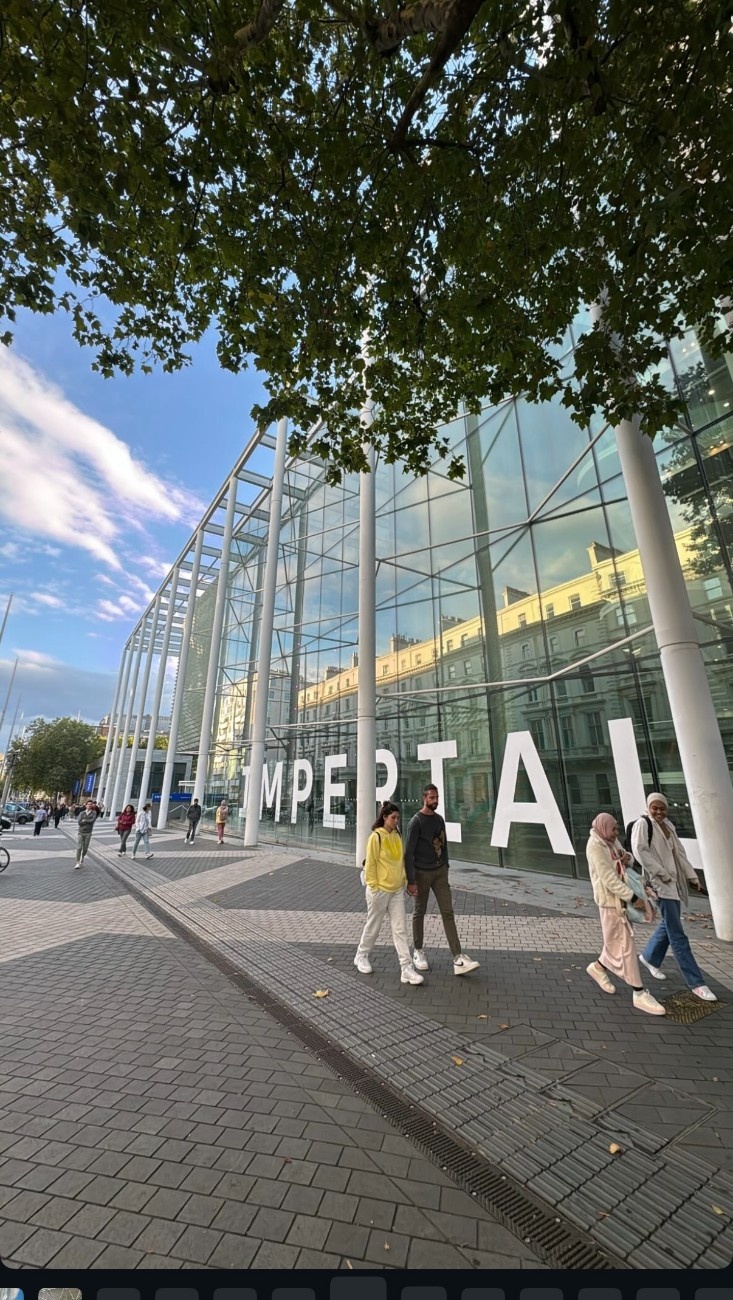
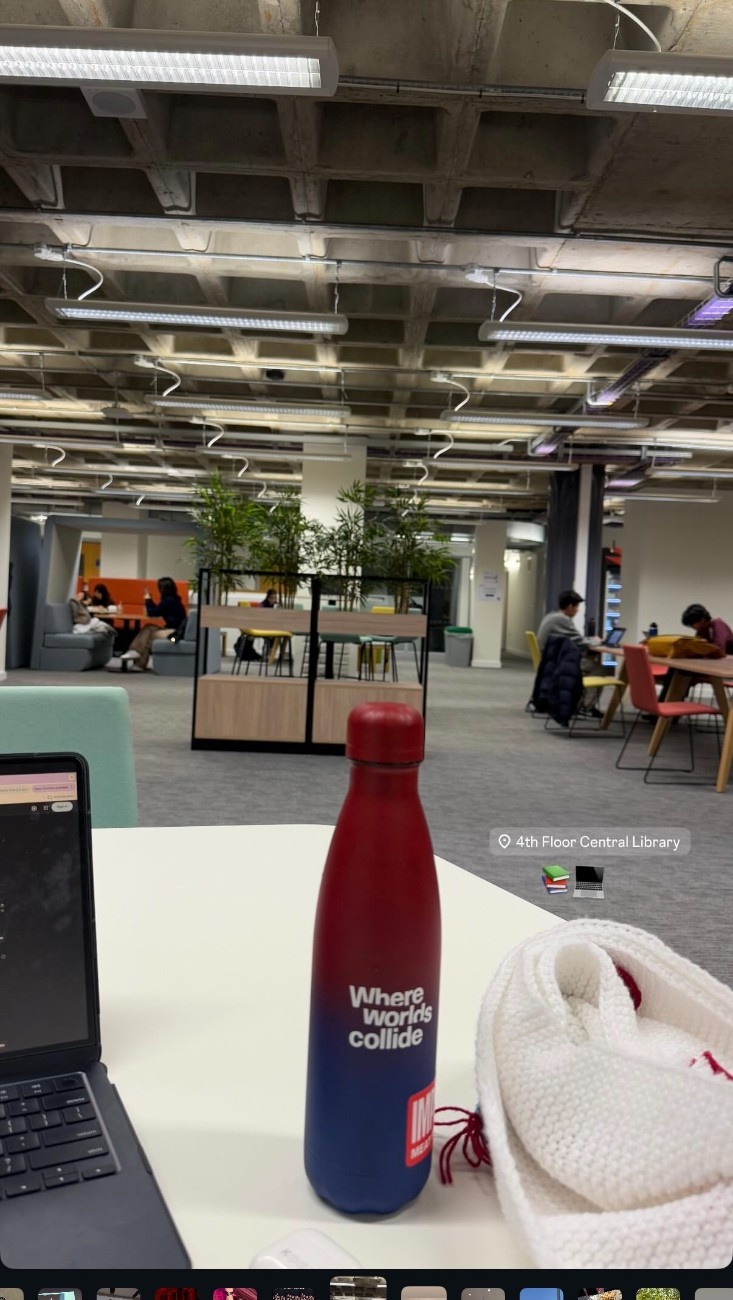
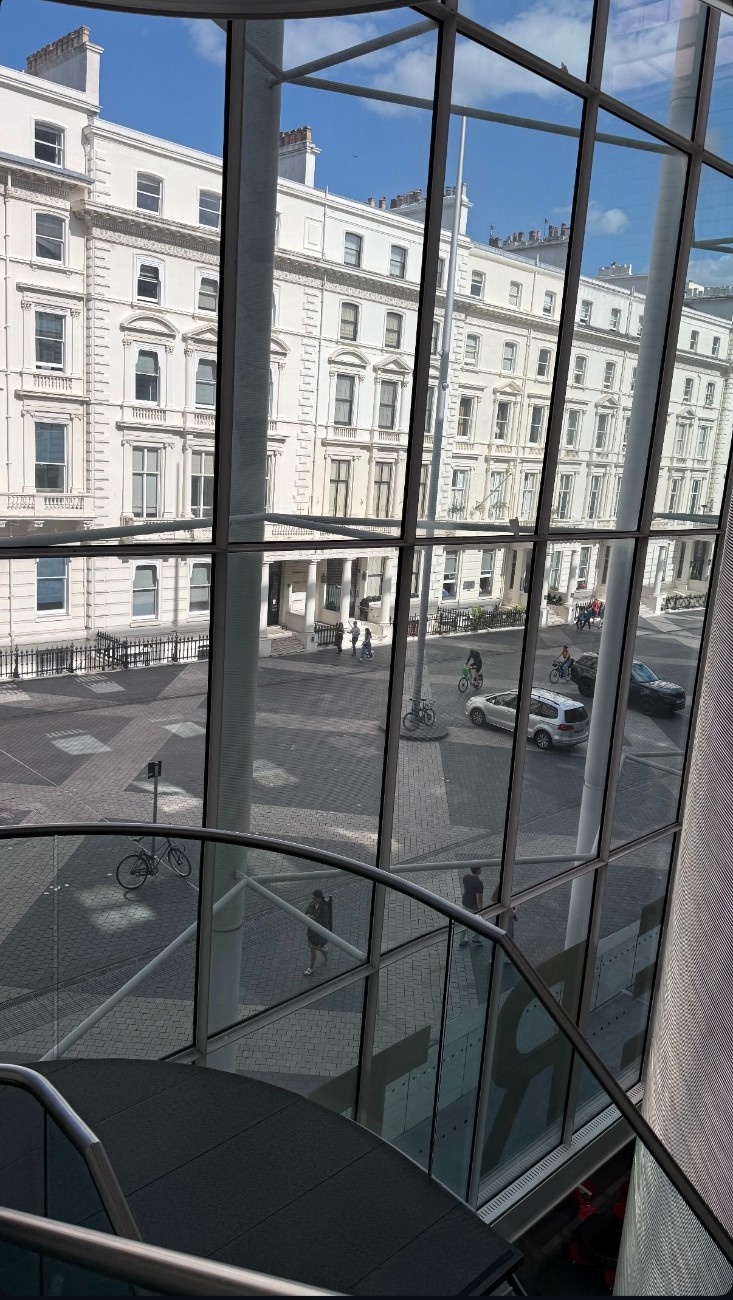


Likes
- The modules offered are extremely interesting and are well planned out.
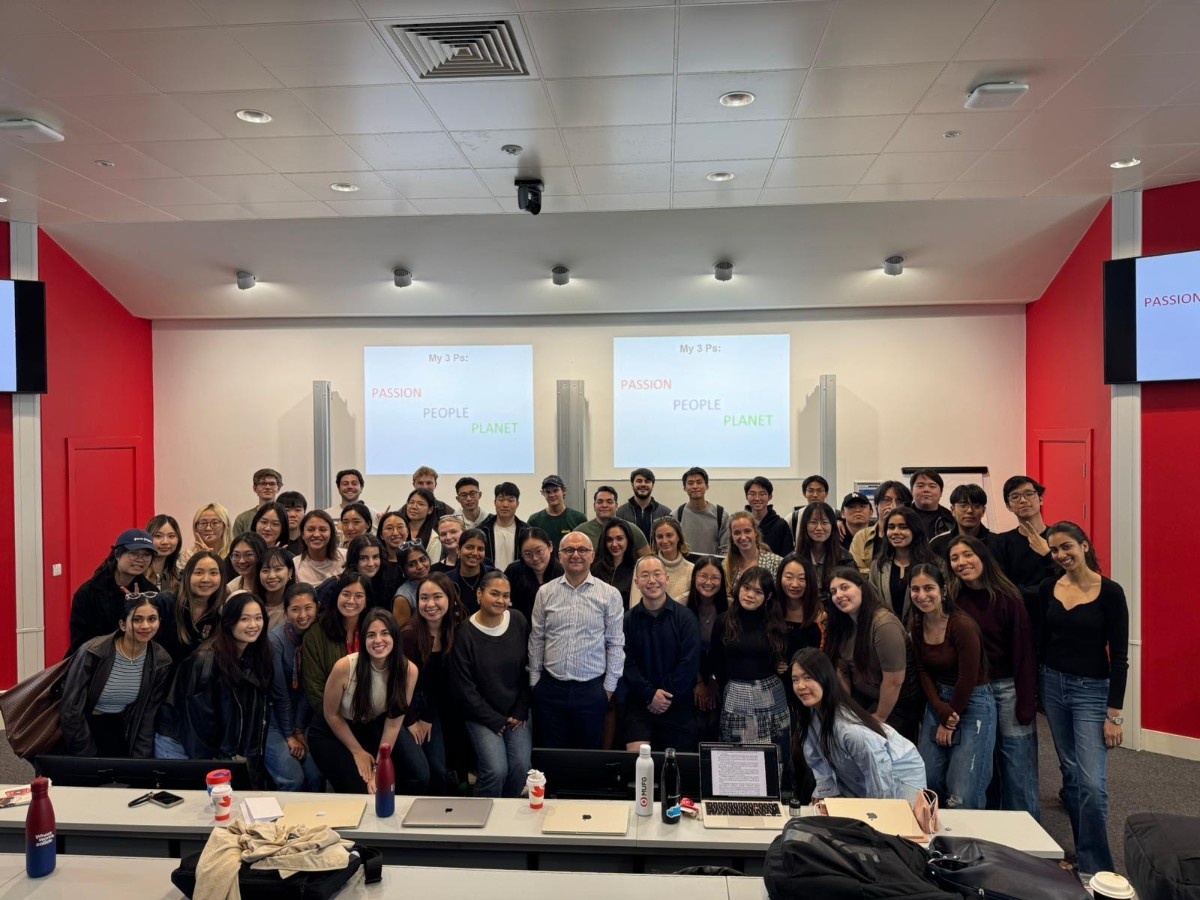
- The professors are not only knowledgeable but also approachable, making complex topics easier to grasp. Most of them are field medal winners or noble prize winners.
- The student body is incredibly diverse, offering exposure to different cultures and perspectives. There are people from different walks of life.
Dislikes
- The overall course is quite intensive.
- The academic workload can sometimes feel overwhelming, making it challenging to maintain a work-life balance.
- Being in London means dealing with sky-high accommodation and living expenses.
Campus Life
- Imperial College London has its main campus in South Kensington, along with others like White City, Charing Cross, and Hammersmith, each focusing on specific fields.
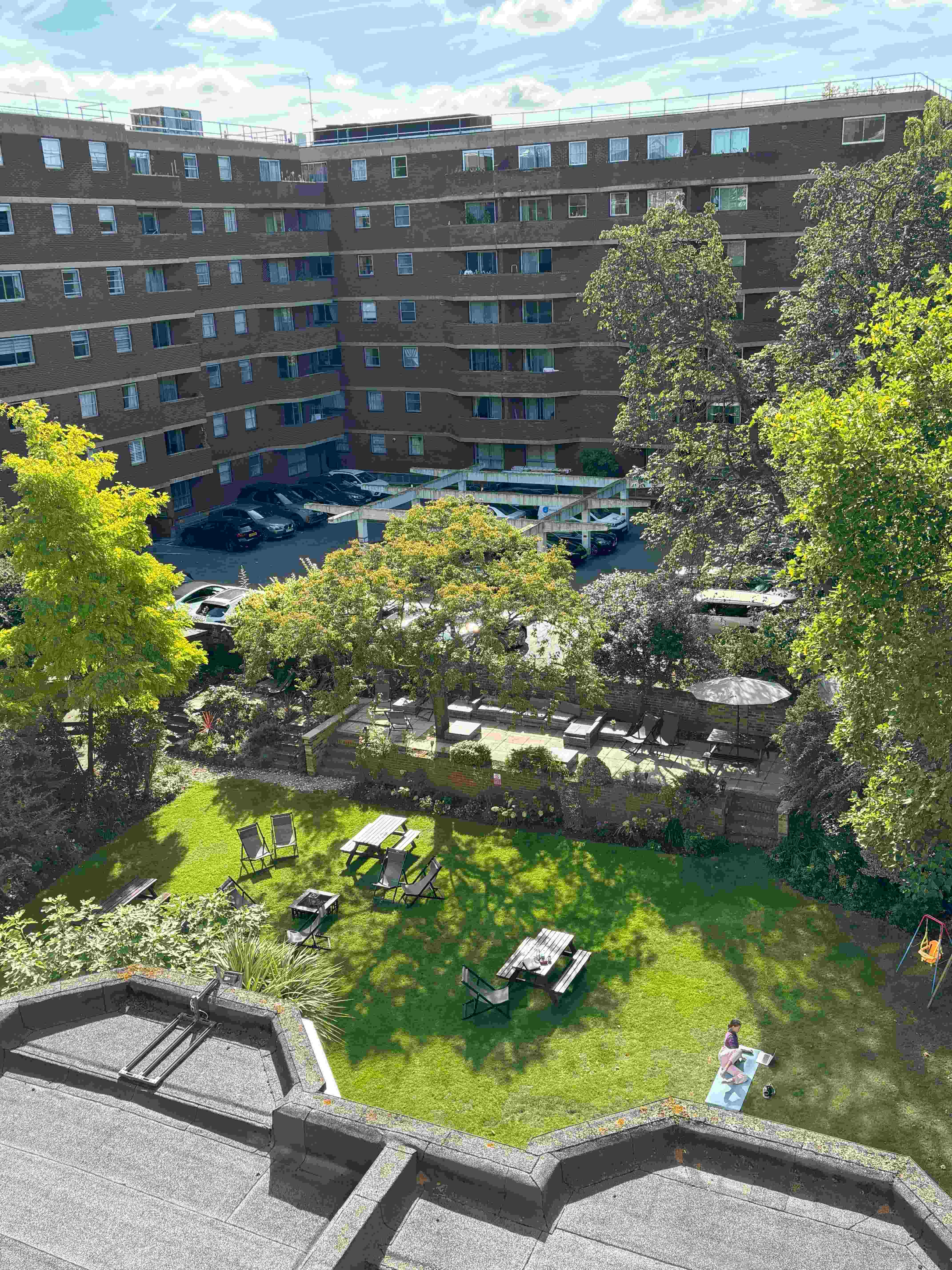
- The South Kensington campus is lively and well-equipped with a large library, sports facilities, medical services, and peaceful green spaces. I am part of the South Kensington campus.
Fees
- Tuition Fees/annual- GBP 41,750
- Since 1 year course, so Total fees was also GBP 41,750. It can be paid in one go or in 2 installments of 50% each.
- Other Expenses:
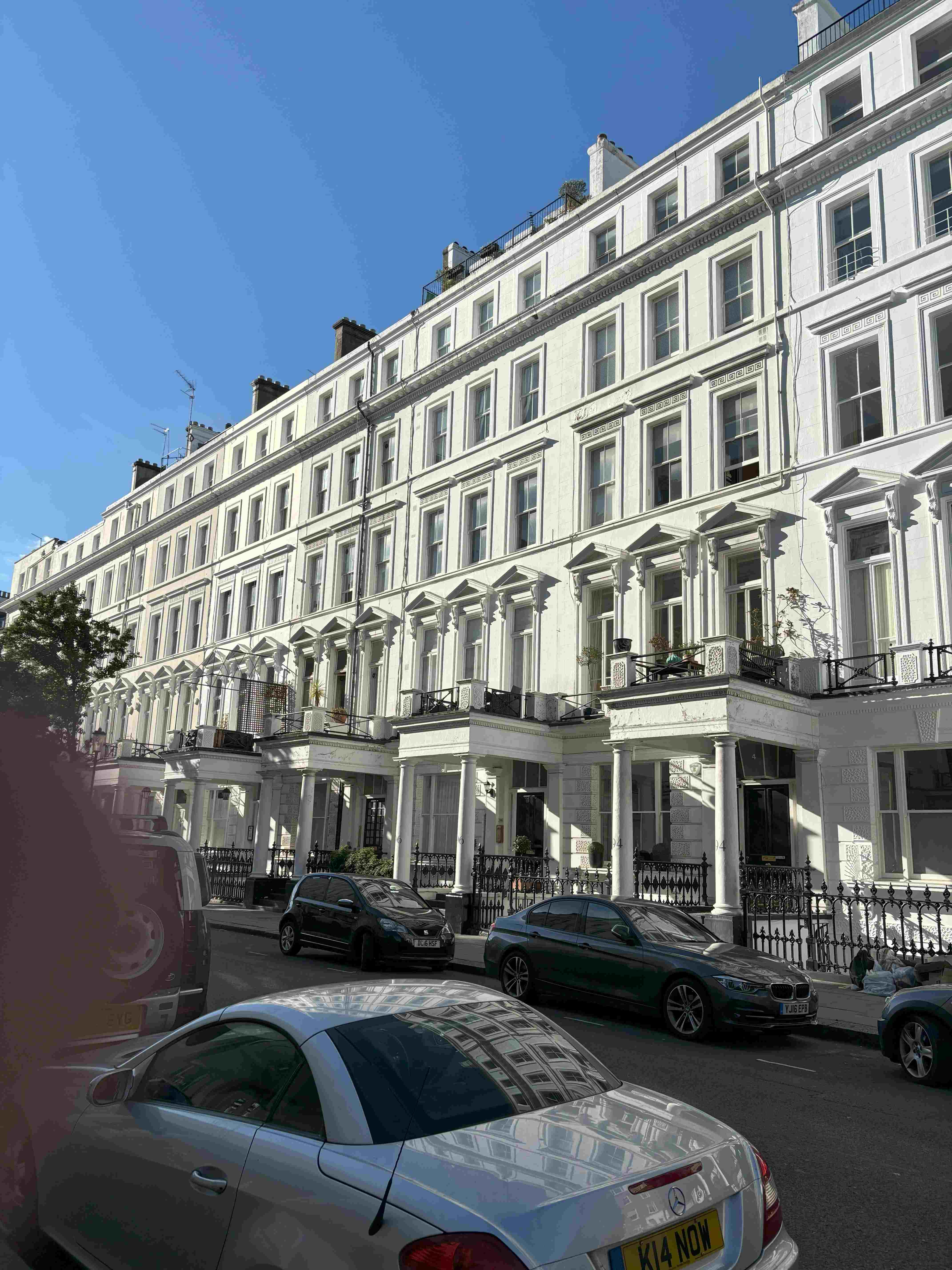
- Living Expenses: 1300 GBP/month (I live near the campus so a bit higher rent)
- Fooding & Transport: 100 GBP/month
- Overall: 1500/month (London is quite expensive)
- For others it ranges from 1000 to 2500 GBP/month. So its totally upto the individual how much they want to save and spend.

Likes
- Highly diverse with students from all over the world.
- Very efficient and knowledgeable faculty.
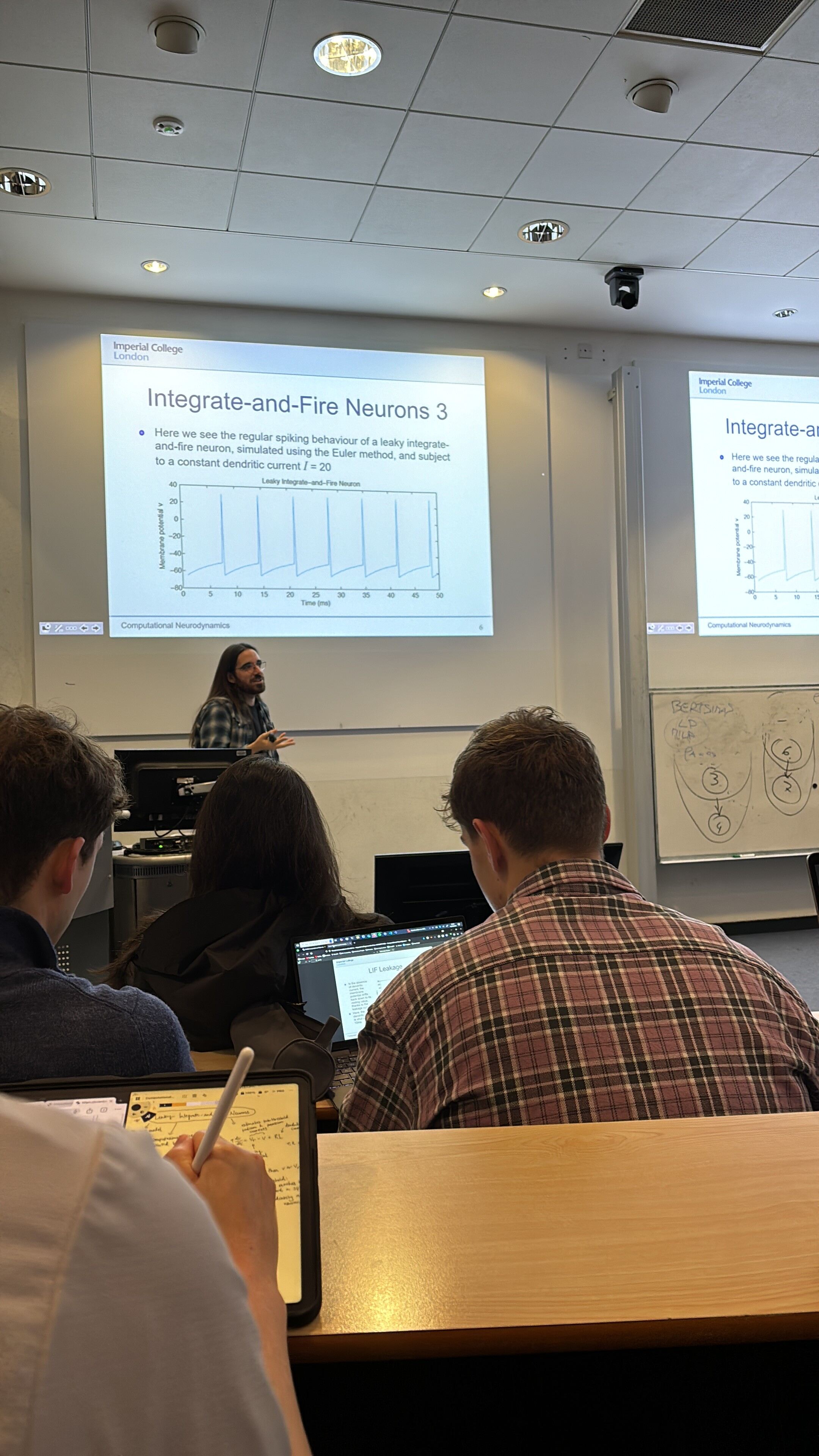
- The way in which course is conducted - mix of classes, assignments, group discussions, guests from different sectors etc
Dislikes
- Campus is not as big and fancy as Oxford or Cambridge.
- Not very helpful in getting campus placements.
- Not aware of there are proper programs for alumni engagement especially for the students from other countries than UK.
Campus Life
- Imperial has multiple campuses, including:
- South Kensington (Main Campus) - Central hub for most programs and facilities.
- White City - Focus on innovation and research.
- Hammersmith and Charing Cross - Medical research and teaching facilities.
- Silwood Park - Dedicated to ecological and environmental studies.
- The campuses provide excellent facilities, including a well-stocked library, state-of-the-art laboratories, sports centers, medical services, and dining options. South Kensington, which was my campus, also houses the Imperial College Union, offering recreational spaces and support services.
- Students can engage in sports, cultural clubs, and over 300 societies, including environmental groups, music, and drama clubs. Annual events like the Imperial Festival and sports tournaments add to the lively atmosphere.
- Overall, Imperial College London offers a vibrant campus life with various academic events, cultural festivals, and active student societies. Popular events include Sustainability Week and departmental seminars, fostering a balance between academics and extracurriculars
Fees
- My fee was completely taken care of by Chevening Scholarship and it was directly paid to the college in 2-3 installments. There was a direct connect between the School and the Scholarship team.
- Hostel was on students as Imperial doesn't provide accommodation. Therefore, I arranged for a private accommodation for myself.
- Barring tuition fee, I used to get a stipend of about 1200 UK pounds per month to take care of all the expenses.
Likes
- Infrastructure
- Career fairs in which we got the opportunity to directly meet the CEO/higher authority of companies
- Cultural events
Dislikes
- Less interaction of student with teachers during classes
- Less options for vegetarian food
- Less options for foreigners
Campus Life
- It had 2 campuses: one for science and maths courses other for business school.
- There is a huge library, and there is a medical room. The gym and sports club in 5 minute's walk from the college.
- Other events: Halloween, Diwali fest, Christmas. Different clubs provided access to different cultural events. There were student organisations which helped with different services.
Fees
- 32 lakhs for course work. Paid in 2 parts.
- I stayed in seperate private accommodation with 2 other people i.e 3 bed 2 bath
- 1200 pounds for accommodation, 100 for transport, 100 for food and other expenses. Then it varies according to the lifestyle you are living. I used to go to the gym which costs me another 40 pounds per month. If people party a lot then it charges 100 more pounds.


Likes
- I enjoyed my time at Imperial because of the different faculty members from all around the world. I thought going into a university that my faculty would only have a British outlook and not a global perspective but turned out that most faculty was from the US and other countries. This helped me connect more with the content.
- The students were mostly asian because of our vast population but people had studied outside of Asia which helped bring in a global perspective on the different skills and tasks we performed. I also liked the focus given to Equality, Diversity, and Inclusion.
Overview
I chose Imperial because of its ranking and because I wanted to gain experience in coding, which this course revolves around. I knew studying in MSc would help me position myself better in the market. I chose to come to this university because it is in one of the best parts of London and hence would be safe. The university is working towards sustainability and business plays a major role in this, this course had electives that fit well with what I want to do in the future like sustainable finance, fintech, analytics, banking, innovation and Python for finance. There were multiple career fairs and many alumni events that gave us exposure. They also held lots of social events in museums and Hyde Park to network with one another while also having a good time.
Campus Life
We have 9 campuses based on the subjects people study. The sports centre is one of the best, it is easy to book slots and is never crowded. People are mindful of personal space and boundaries. They have a rowing society that many who have never done it sign up for, even rock climbing. They also have a bunch of free gym events. There is a summer and winter ball that takes place every year. These are the most iconic nights of the year. We have an investment fund that in real-time makes investments, it is a great learning opportunity. There are different clubs for different types of dancing and singing, people get together and connect on different levels.
Likes
- Location, it's in Central London close to loads of museums and parks, a hub for culture and history
- Since Imperial is primarily a STEM uni even the business school is influenced by that, all our profs do a great job at keeping up with new tech and the course material is relevant.
- The course is evenly paced and doesn't get overwhelming.
Dislikes
- Huge cohort size, can be hard to stand out.
- London is an extremely expensive city. The visa restrictions and the current job market does't make getting a job easy.
Overview
I picked the university cause it was highly ranked globally and in my course. Additionally, the course structure covered all the topics I wanted to study and London was one of the top cities I was looking at and wanted to be in. My experience was great, met loads of interesting people and felt very intellectually stimulated.
Campus Life
Campus life is great the university is in a great location with tons of opportunities to embrace arts and culture, and the campus is great too and has loads of places for students to socialize.
Imperial College London Scholarships
| Name | Scholarship Per Student | Level of Study | Type | |
|---|---|---|---|---|
| Brilliant Minds MBA Scholarship | Scholarship per student$57,990 | Level Of StudyMaster | TypeCollege-Specific | |
| Imperial Business Scholarships | Scholarship per studentVariable Amount | Level Of StudyMaster | TypeCollege-Specific | |
| Imperial College Scholarship 50% Tuition Fee Waiver | Scholarship per studentVariable Amount | Level Of StudyMaster | TypeCollege-Specific | |
| Inlaks Shivdasani Foundation Scholarships | Scholarship per student$100,000 | Level Of StudyDoctorate | TypeMerit-Based | |
| VueVille Future Technology Scholarship | Scholarship per student$1,000 | Level Of StudyBachelor | TypeMerit-Based | |
| Saltire Scholarships | Scholarship per student$8,000 | Level Of StudyMaster | TypeMerit-Based |
View All 13 Scholarships
Do you think the Scholarship is wrong ? Report Here
Imperial College London Admissions
Application Portal: http://www.imperial.ac.uk/study/ug/apply/
Attendance Cost
The table shows average yearly cost of attendance for international students. Amount may vary with the course opted, nature of accommodation, and personal spending habits of a candidate.Check Program wise Fees
Imperial College London Campuses, Schools & Faculties
Faculty
| Total Faculty | Full Time | Part Time | Graduate Assistants |
|---|---|---|---|
| 4540 | - | - | - |



interested in this College ?
Follow & Share this college to get information about admission.



Comments
Found 19 Comments